Journal | Destinations
Zambia - Into The Wild
Zambia is one of Africa's most captivating safari destinations, a country of unspoilt wilderness, beautiful rivers and extraordinary wildlife encounters.
Published:
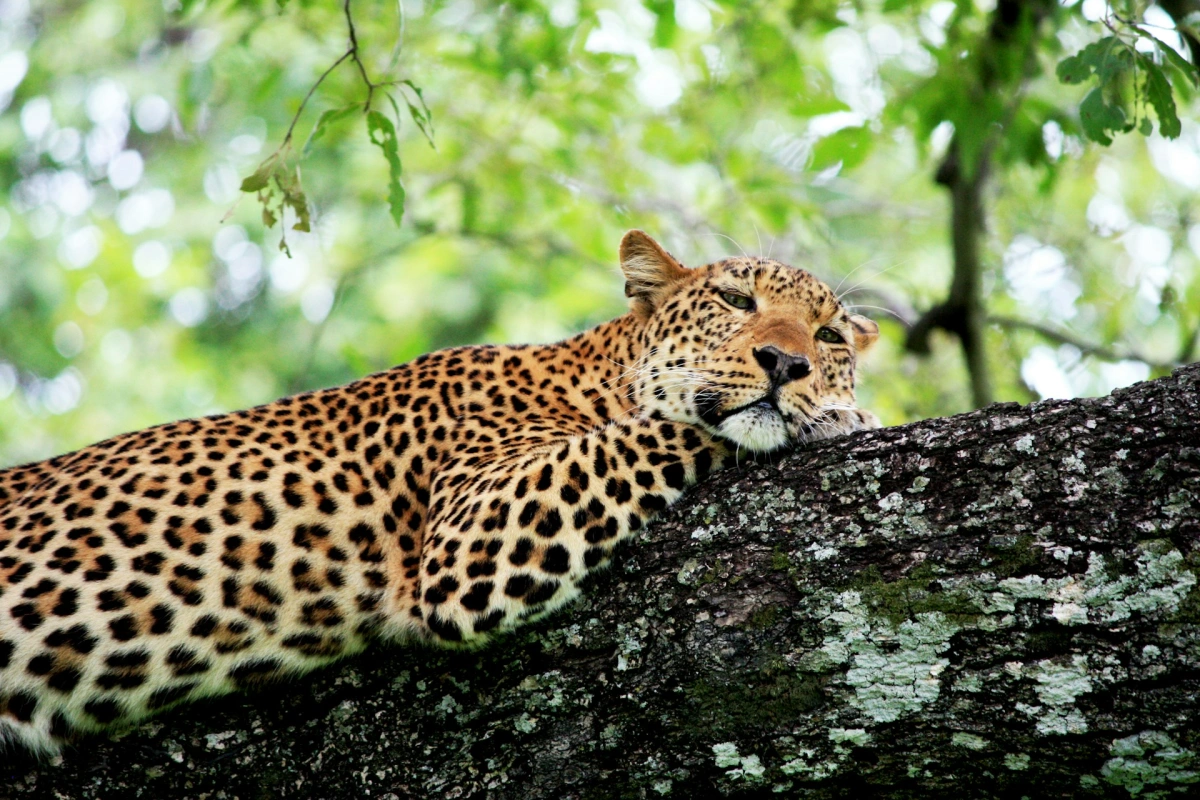
From the leopard-rich woodlands of South Luangwa to the tranquil waterways of the Lower Zambezi and the spectacular Victoria Falls near Livingstone, Zambia offers a wonderfully varied introduction to the African wilderness. With its intimate safari camps, exceptional guiding and long tradition of walking safaris, the country has retained a wonderfully authentic character.
Rivers are central to Zambia's natural beauty and wildlife. The Luangwa River winds through a remarkable valley of ancient woodlands, oxbow lagoons and open floodplains, while the mighty Zambezi flows beneath dramatic escarpments, past remote safari camps and over the extraordinary precipice of Victoria Falls. These contrasting landscapes support an impressive diversity of wildlife and offer opportunities to explore Africa in ways that extend well beyond the traditional game drive.
The Experience
Zambia is widely regarded as the birthplace of the modern walking safari, a tradition pioneered in the Luangwa Valley during the middle of the twentieth century. Exploring the wilderness on foot with experienced guides remains one of the country's most distinctive attractions, offering a fascinating insight into animal behaviour, the natural environment and the smaller details of life in the African bush.
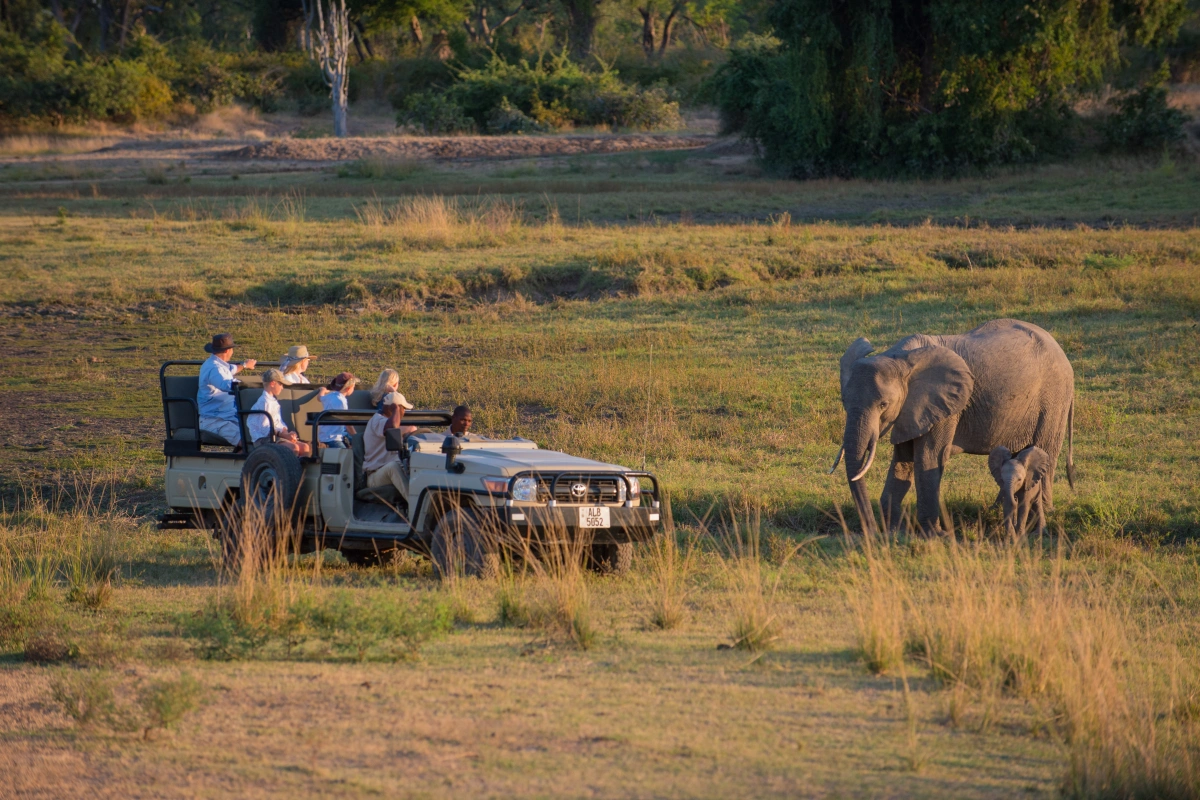
Traditional game drives, night safaris, canoe excursions and river cruises provide further opportunities to experience Zambia's remarkable landscapes. Accommodation ranges from beautifully understated bush camps to luxurious riverside lodges, many accommodating relatively few guests. The combination of knowledgeable guides, remote locations and a deeply personal approach to hospitality makes Zambia particularly appealing to travellers seeking an immersive safari experience.
South Luangwa National Park
South Luangwa National Park is one of Africa's most celebrated wildlife destinations, occupying a vast stretch of the Luangwa Valley in eastern Zambia. Covering approximately 9,050 square kilometres, the park encompasses ancient ebony groves, mopane woodland, open grasslands and seasonal lagoons shaped by the meandering Luangwa River. As the river changes course over time, it creates a constantly evolving landscape of sandbanks, oxbow lakes and fertile floodplains that support remarkable concentrations of wildlife.
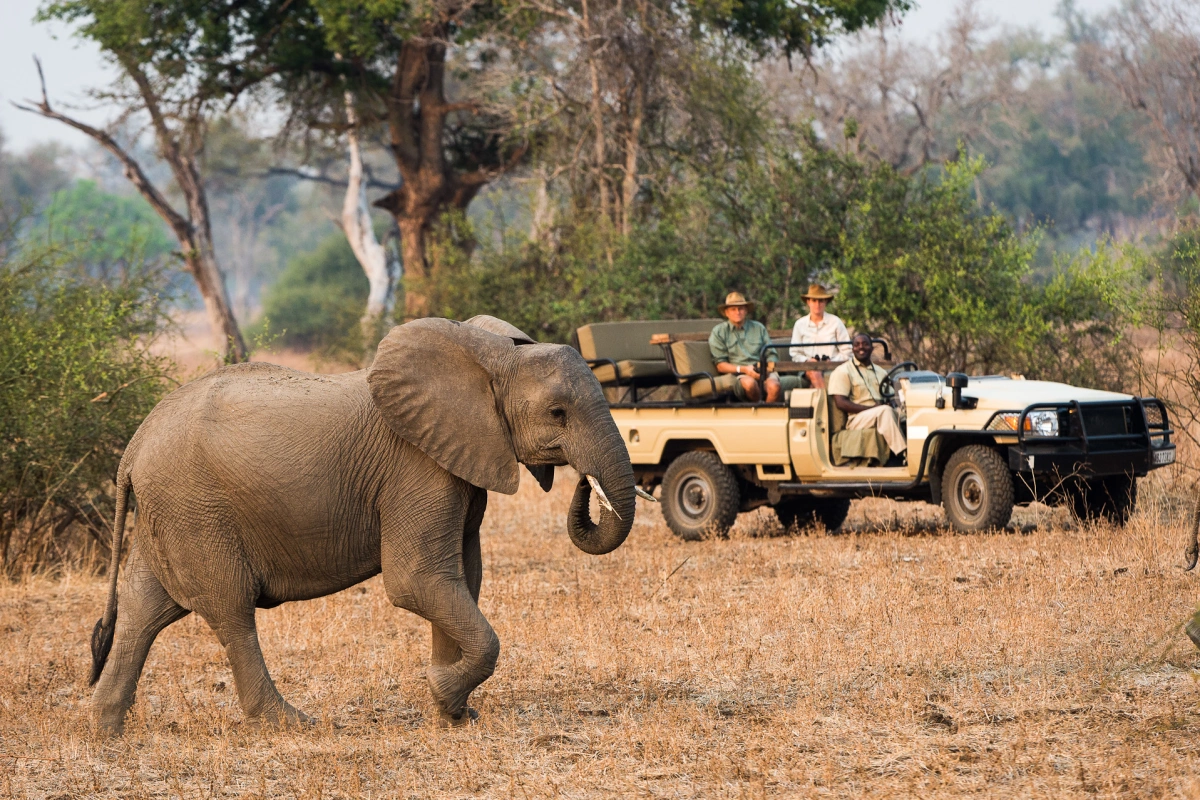
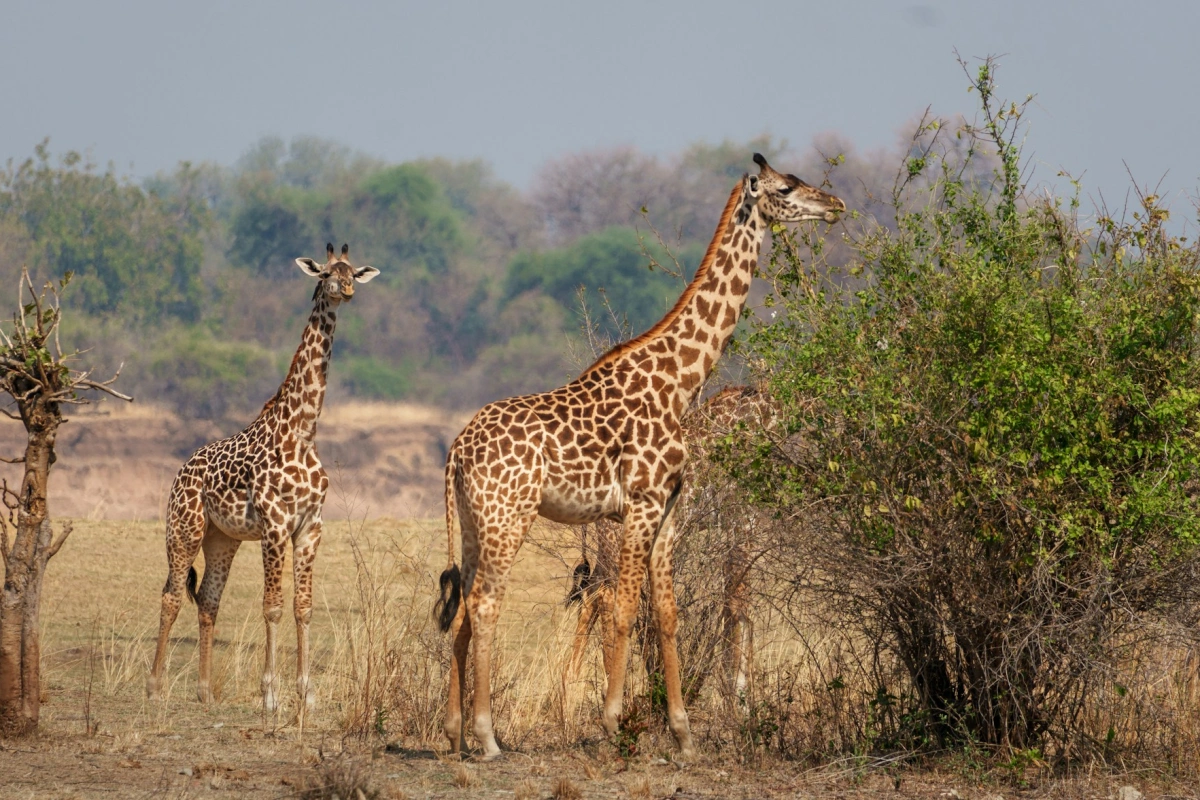
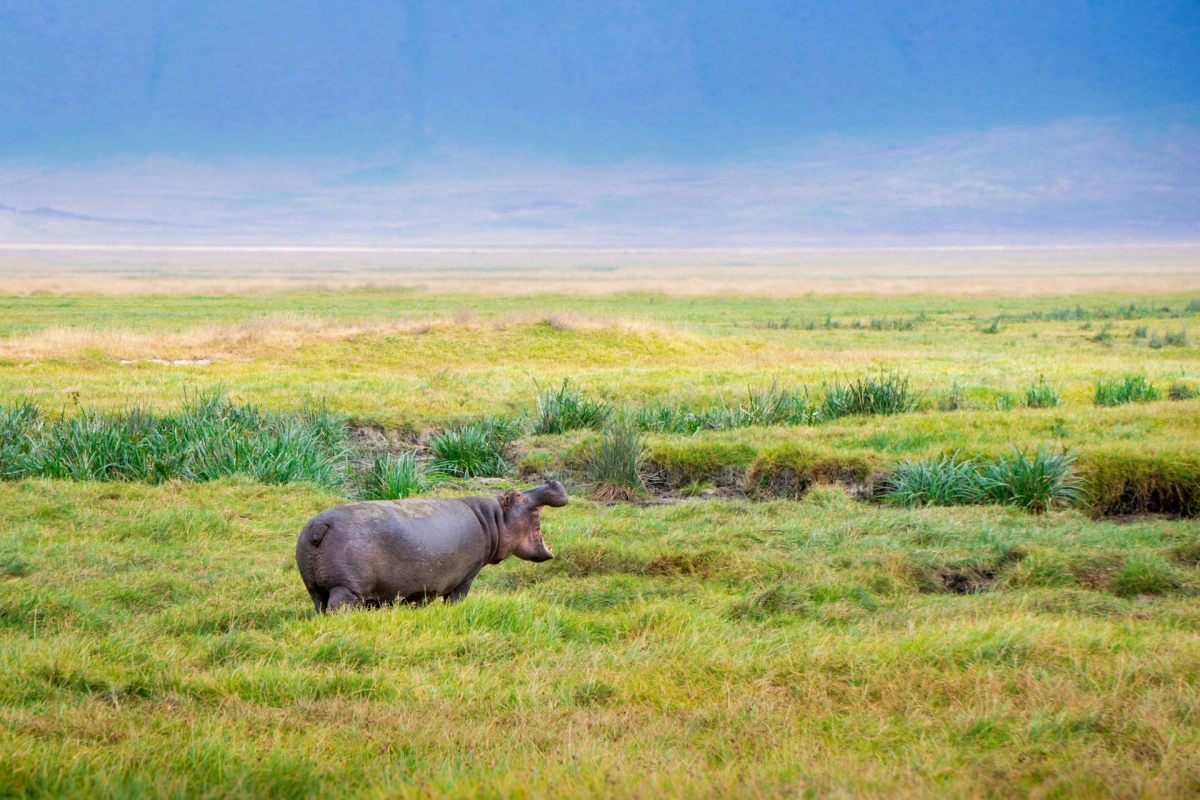
The park is particularly renowned for its leopards, with excellent opportunities to encounter these elusive cats during both daytime and night drives. Lions, spotted hyenas and African wild dogs also inhabit the valley, alongside impressive herds of elephants and buffalo. South Luangwa is home to several distinctive regional animals, including Thornicroft's giraffe, Cookson's wildebeest and Crawshay's zebra. Hippos gather in considerable numbers along the Luangwa River, while Nile crocodiles are frequently seen resting on its exposed sandbanks.
Walking safaris are at the heart of the South Luangwa experience. Accompanied by experienced guides and armed scouts, visitors explore the wilderness on foot, learning to interpret animal tracks, recognise alarm calls and understand the relationships between wildlife and its surroundings. Traditional game drives explore a wider variety of habitats, while night drives reveal nocturnal animals such as genets, civets, porcupines and bushbabies. The opportunity to observe leopards after dark is a particular highlight.
Accommodation ranges from established safari lodges overlooking the Luangwa River to intimate bush camps hidden deep within the national park. Some of the more remote camps specialise in walking safaris, with opportunities to travel between camps on foot. Mfuwe Airport provides the principal gateway to the region, with scheduled flights from Lusaka followed by road transfers through the surrounding countryside. South Luangwa is an exceptional choice for both first-time safari visitors and experienced travellers returning to Africa.
Places to Stay
Lower Zambezi National Park
The Lower Zambezi National Park occupies one of Zambia's most beautiful stretches of wilderness, where the Zambezi River flows beneath the rugged escarpment separating the valley from the higher plateau. Across the river lies Zimbabwe's Mana Pools National Park, forming part of an extensive protected landscape. Within the Lower Zambezi, magnificent winterthorn trees, riverine forests, grassy floodplains and secluded channels create a particularly picturesque setting for a safari.
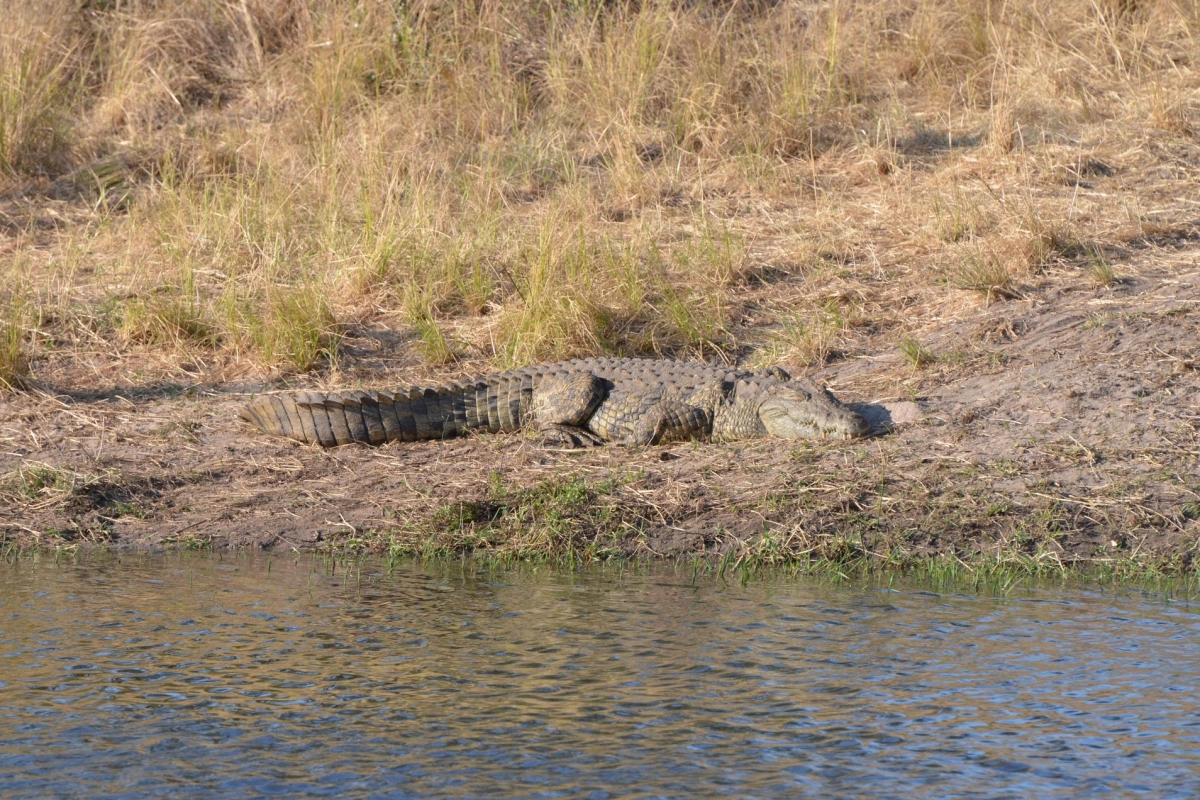
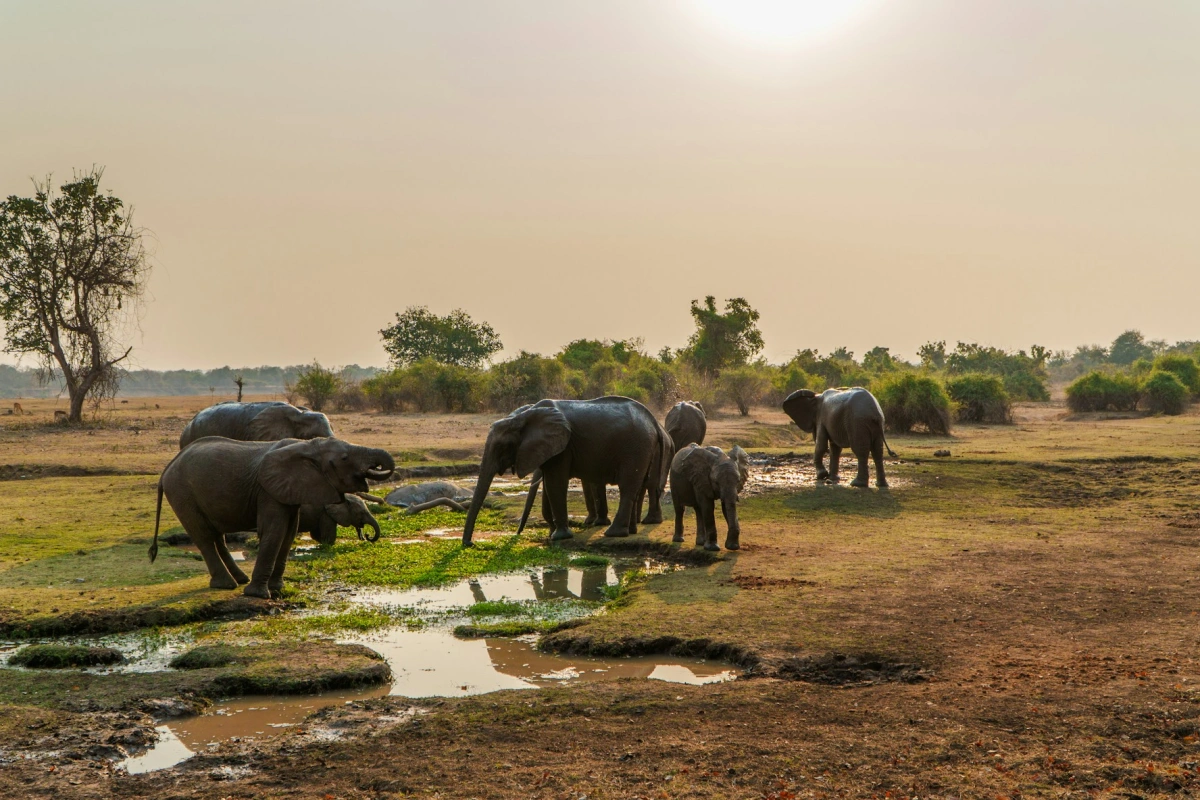
Elephants are among the region's greatest attractions, frequently encountered feeding beneath the riverside trees, bathing in the shallows or swimming between islands. Buffalo, waterbuck, impala, kudu and other antelope species inhabit the floodplains and surrounding woodlands, while lions, leopards and African wild dogs are also found within the park. The Zambezi itself supports substantial populations of hippos and crocodiles, together with an impressive variety of waterbirds.
One of the Lower Zambezi's most distinctive experiences is exploring the river by canoe. Accompanied by experienced guides, visitors drift through quieter channels beneath overhanging trees, observing wildlife from a wonderfully different perspective. Motorboat safaris allow access to broader stretches of the river, while traditional game drives and walking safaris explore the surrounding woodland and floodplains. Catch-and-release tiger fishing is another popular activity, particularly during the warmer months towards the end of the dry season.
Many of the region's safari camps and lodges occupy secluded positions directly overlooking the Zambezi River, where wildlife can often be observed without leaving the property. Elephants regularly wander through camp surroundings, while the sounds of hippos carry across the water after dark. Access is generally by light aircraft from Lusaka to Jeki or Royal airstrip, followed by a road or boat transfer. The Lower Zambezi combines beautifully with South Luangwa, offering a particularly rewarding balance between land and water safaris.
Places to Stay
Livingstone & Victoria Falls
Livingstone is Zambia's gateway to Victoria Falls, one of the world's most spectacular natural wonders and a UNESCO World Heritage Site shared with neighbouring Zimbabwe. Known locally as Mosi-oa-Tunya, meaning 'The Smoke That Thunders', the falls extend across approximately 1,700 metres of the Zambezi River, plunging into a deep basalt gorge. During periods of high water, enormous clouds of spray rise above the surrounding rainforest, creating rainbows and a remarkable spectacle visible from considerable distances.
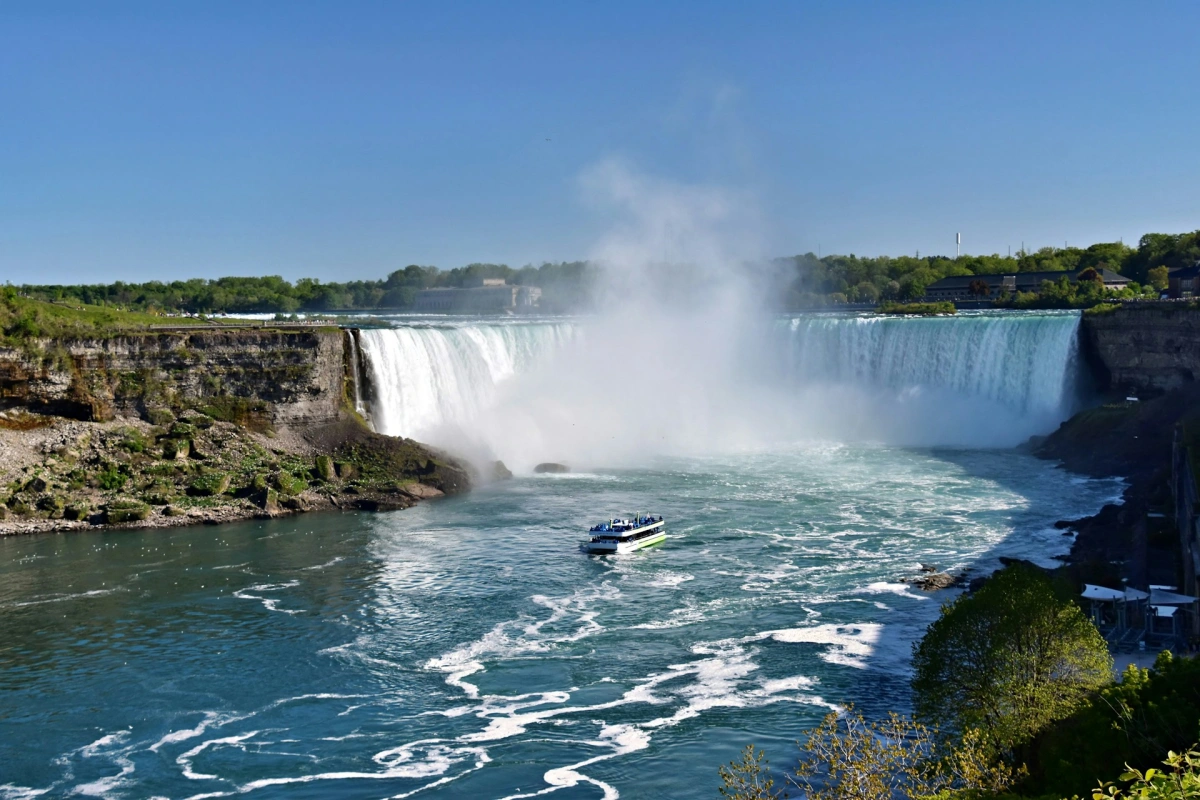
The Zambian side of Victoria Falls offers a series of walking trails and viewpoints, including the celebrated Knife Edge Bridge, where visitors can experience the tremendous power of the falling water at remarkably close quarters. Further downstream, the dramatic Batoka Gorge reveals the extraordinary geological landscape carved by the Zambezi over thousands of years. Helicopter and microlight flights provide spectacular aerial views of the falls, the winding river and the surrounding wilderness.
Beyond Victoria Falls, Livingstone offers a surprisingly varied wildlife experience. The nearby Mosi-oa-Tunya National Park is home to elephants, giraffes, zebras, buffalo and a protected population of white rhinoceros. Guided rhino tracking excursions provide an opportunity to observe these remarkable animals on foot, accompanied by experienced guides and rangers. Sunset cruises along the Upper Zambezi frequently reveal hippos, crocodiles, elephants and numerous species of waterbirds.
Livingstone also offers opportunities to explore Zambia's cultural heritage. The Livingstone Museum provides an interesting introduction to the country's history, archaeology and traditional cultures, while visits to local communities offer an insight into contemporary Zambian life. For more adventurous travellers, the surrounding area is renowned for white-water rafting, guided canoe excursions and seasonal visits to Livingstone Island.
Accommodation ranges from elegant hotels close to Victoria Falls to secluded luxury lodges further upstream along the Zambezi River. These quieter riverside properties are particularly appealing after several days on safari, offering beautiful natural surroundings and a more relaxed pace without sacrificing opportunities for wildlife encounters. Harry Mwanga Nkumbula International Airport provides convenient access to Livingstone, while the town's proximity to Zimbabwe and Botswana makes it an excellent addition to a wider southern African journey.
When to Visit
Zambia has two principal seasons, with a dry season generally extending from May to October and a warmer, wetter season between November and April. Seasonal changes have a considerable influence on wildlife movements, accessibility and the activities available at individual safari camps. Victoria Falls follows its own annual cycle of rising and falling water levels, meaning that the best time to visit depends on the balance of experiences travellers wish to enjoy.
The Dry Season
May to October is traditionally considered the finest period for wildlife viewing in South Luangwa and the Lower Zambezi. As seasonal lagoons and smaller water sources gradually disappear, animals become increasingly concentrated around the permanent rivers. Thinner vegetation improves visibility, while the cooler conditions during the early part of the season make walking safaris particularly enjoyable.
June, July and August generally bring clear skies, pleasantly warm days and cooler mornings and evenings. Temperatures increase considerably during September and October, particularly within the Luangwa and Zambezi valleys, where daytime temperatures can exceed 35°C. Despite the heat, these later months often produce exceptional wildlife encounters as large numbers of animals gather around the remaining water sources.
Most seasonal bush camps operate during the dry months, although opening and closing dates vary according to their location and road conditions. June to August offers a particularly appealing balance of comfortable temperatures, excellent wildlife viewing and a wide choice of safari activities.
The Green Season
The arrival of the summer rains between November and April transforms Zambia's valleys into lush landscapes of fresh grasslands, flowering vegetation and replenished lagoons. The countryside becomes particularly beautiful, with dramatic skies, rich colours and an abundance of young animals. Migratory birds return to the region, making this a rewarding period for birdwatching and wildlife photography.
Wildlife becomes more widely dispersed as water is readily available, while dense vegetation can make some animals more difficult to locate. Many remote bush camps close during the wetter months because of flooding and difficult road conditions, particularly in the Lower Zambezi. However, a selection of lodges in South Luangwa remains open, with some offering seasonal boat safaris through areas that are accessible by vehicle during the dry season.
Often referred to as the Emerald Season, this quieter period reveals a very different side of Zambia. For travellers who have previously experienced a traditional dry-season safari, the green months can offer a fascinating alternative.
Wildlife Experiences
Zambia supports an extraordinary diversity of wildlife across its river valleys, woodlands, wetlands and open grasslands. Elephants and buffalo are particularly abundant in South Luangwa and the Lower Zambezi, while giraffes, zebras and numerous antelope species inhabit the country's varied landscapes. Hippos and Nile crocodiles are among the most conspicuous inhabitants of the Luangwa and Zambezi rivers, often providing memorable encounters throughout the day.
Predators are another major attraction, with South Luangwa particularly celebrated for its leopards. Lions, spotted hyenas and African wild dogs are found in both South Luangwa and the Lower Zambezi, although sightings of wild dogs are less predictable. Livingstone offers a contrasting wildlife experience, particularly through the opportunity to observe white rhinoceros within Mosi-oa-Tunya National Park.
Game Drives
Traditional game drives remain an essential part of the Zambian safari experience, with experienced guides exploring riverbanks, woodland tracks and open floodplains in specially adapted four-wheel-drive vehicles. Early morning and late afternoon excursions generally provide the most rewarding conditions, when temperatures are cooler and wildlife is more active. Zambia's reputation for excellent guiding adds considerably to these experiences, with time spent observing animal behaviour and understanding the surrounding environment.
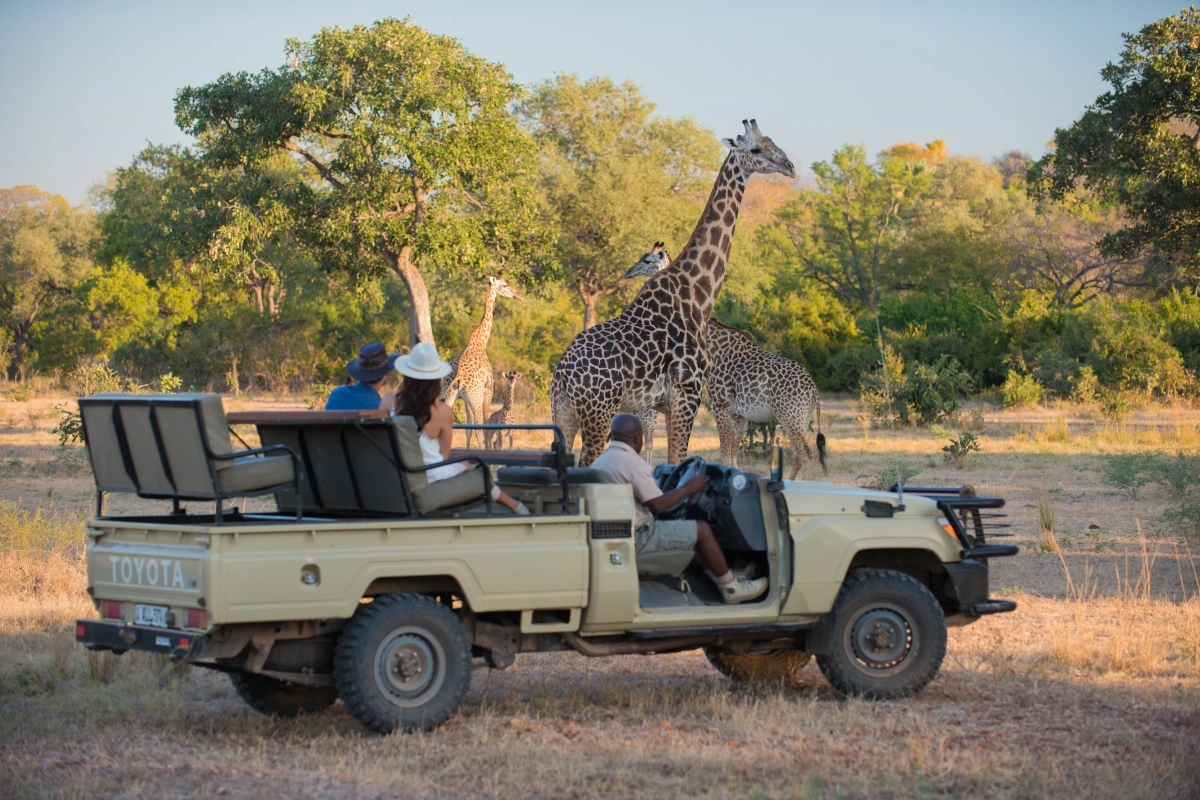
Night drives are a particular highlight of safaris in South Luangwa and the Lower Zambezi. As darkness descends, an entirely different community of animals emerges, including genets, civets, bushbabies and porcupines. Lions and leopards become increasingly active, while the sounds of the African wilderness create a wonderfully atmospheric setting. For many visitors, returning to camp beneath a clear night sky becomes one of the most memorable parts of their safari.
Walking Safaris
Few destinations are as closely associated with walking safaris as Zambia, where exploring the African wilderness on foot has been an established tradition for decades. South Luangwa is particularly renowned for this experience, with some remote bush camps specialising almost entirely in guided walks. The Lower Zambezi also offers excellent opportunities to explore its riverine forests and surrounding floodplains on foot.
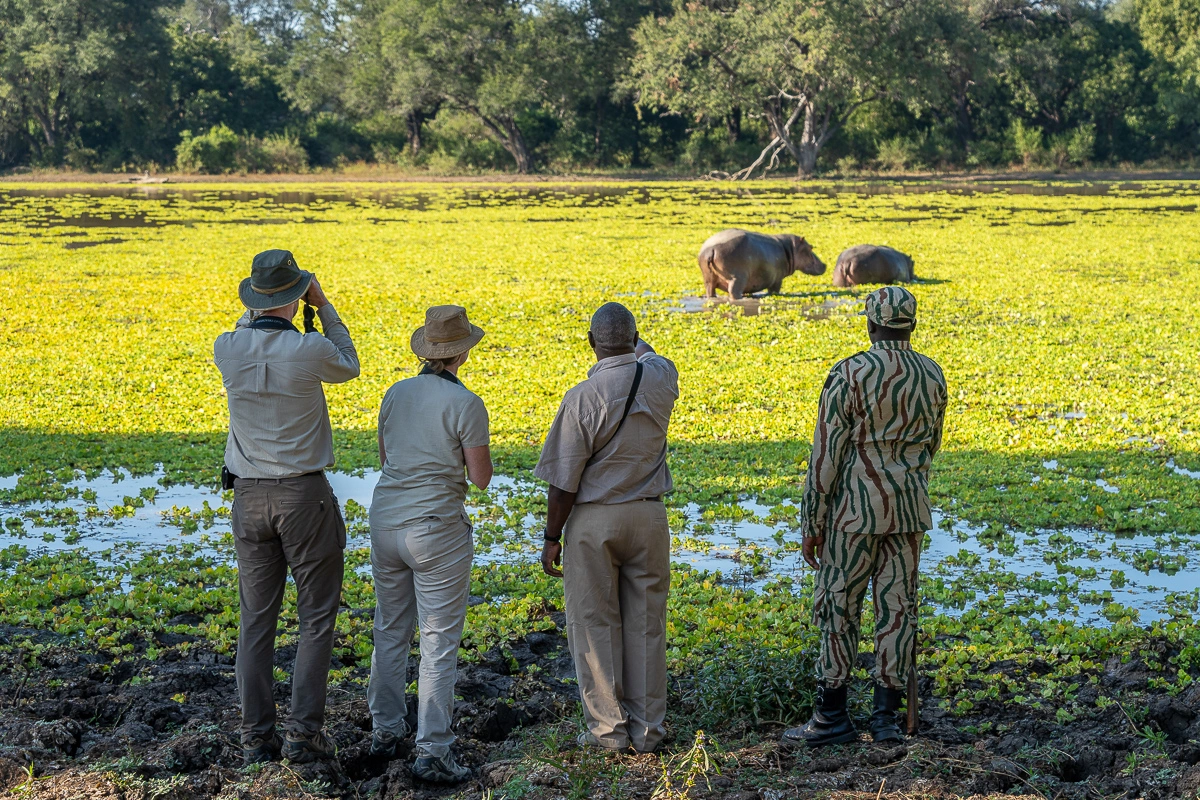
Accompanied by experienced guides and armed scouts, walking safaris reveal a world that can easily be overlooked from a vehicle. Animal tracks, medicinal plants, insects, bird calls and subtle changes in the landscape all help tell the story of the wilderness. Larger animals may also be encountered, although the emphasis is on understanding the environment rather than approaching wildlife closely.
Some camps offer extended walking experiences, allowing visitors to journey between remote bush camps and spend several days exploring different parts of the wilderness. The slower pace, intimate surroundings and opportunity to experience the natural sounds of the bush make walking safaris one of Zambia's most rewarding experiences.
Water Safaris
The Zambezi River provides the setting for some of Zambia's most distinctive safari activities. Within the Lower Zambezi National Park, guided canoe excursions explore quiet channels and sheltered waterways, where elephants may be seen feeding along the banks and colourful kingfishers dart between overhanging branches. Experienced guides navigate the river with careful consideration for the wildlife and prevailing water conditions.
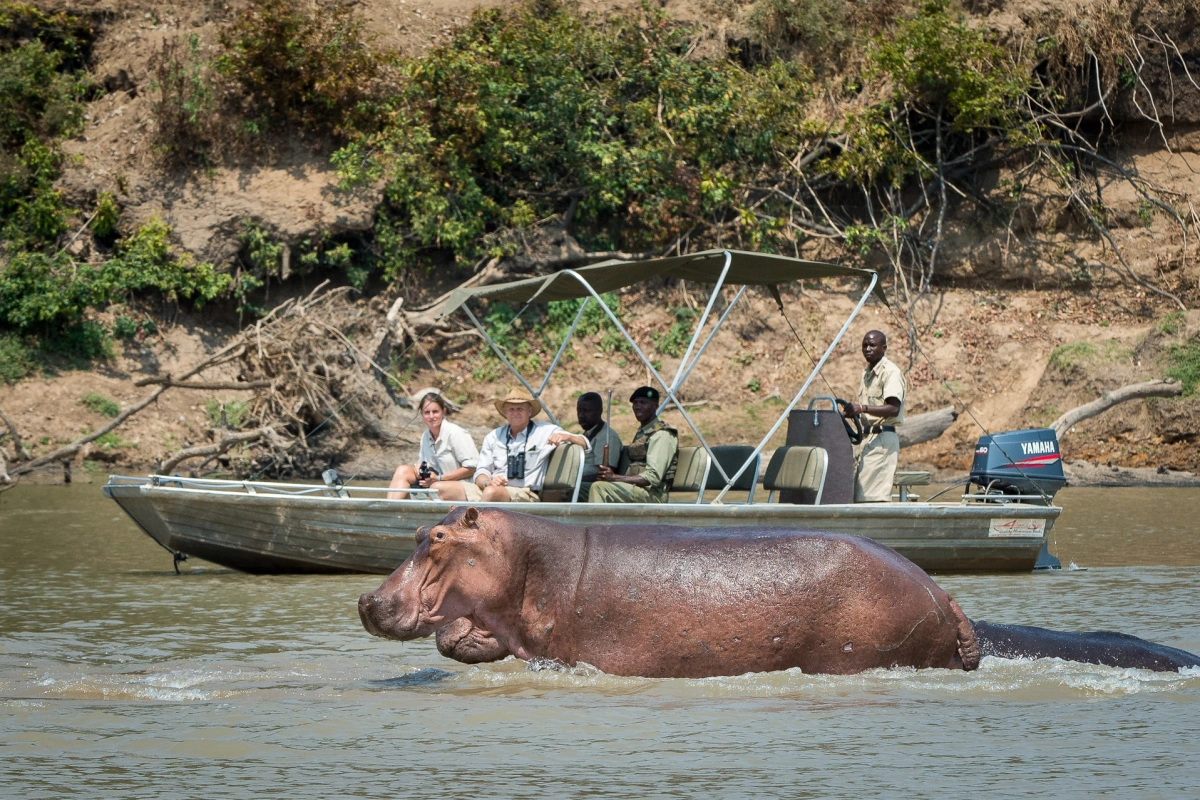
Motorboat safaris provide opportunities to explore larger stretches of the Zambezi, observing hippos, crocodiles and animals gathering at the water's edge. Around Livingstone, sunset cruises along the Upper Zambezi offer a more leisurely experience, with beautiful views of the river and its wooded islands. Seasonal boat safaris are also available from certain South Luangwa camps during the Emerald Season, when rising water levels transform the valley.
Getting There
Zambia is well connected to several of Africa's principal international airports, with Lusaka and Livingstone providing the most convenient arrival points for safari travellers. Visitors travelling from Europe or North America will generally require a connecting flight, with Johannesburg, Nairobi, Addis Ababa and Doha among the principal international gateways.
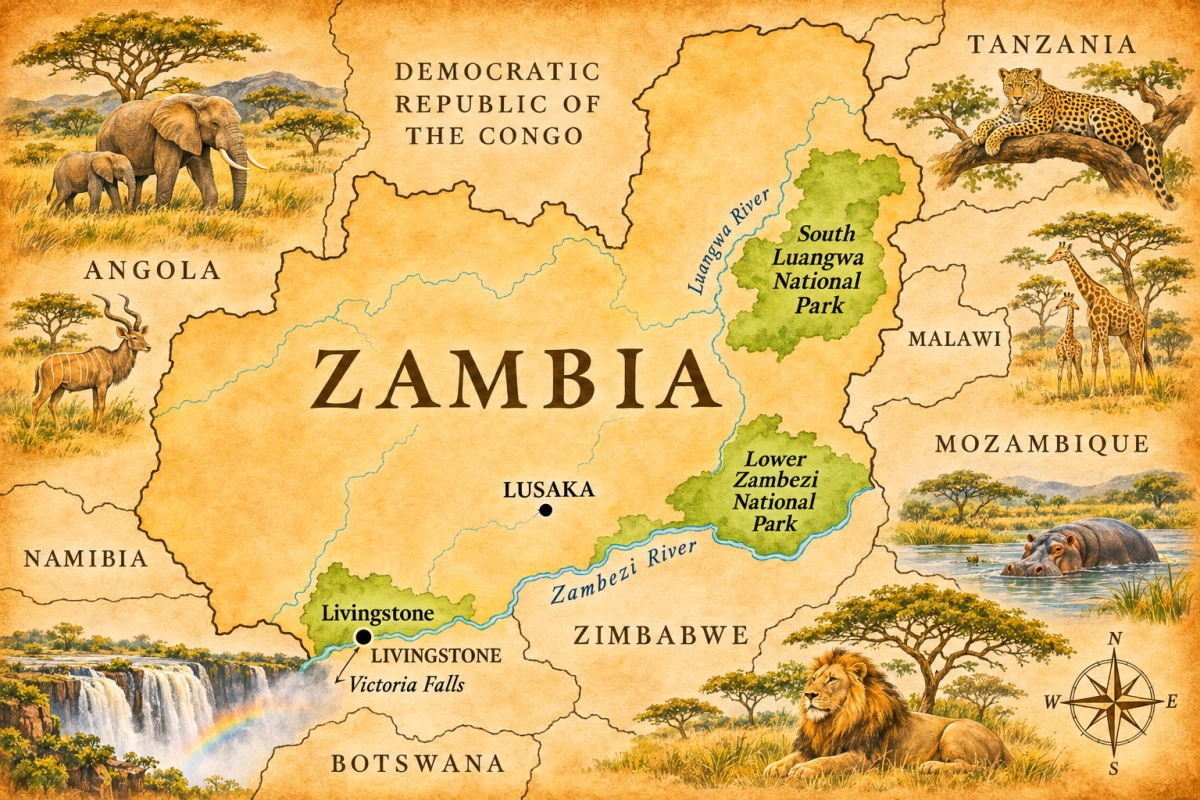
Kenneth Kaunda International Airport (LUN) in Lusaka is Zambia's main international gateway and the most convenient arrival point for South Luangwa and the Lower Zambezi. Scheduled domestic flights connect the capital with Mfuwe Airport (MFU), from where safari lodges and bush camps arrange onward road transfers into the Luangwa Valley.
The Lower Zambezi is served by Jeki and Royal airstrips, with the most suitable arrival point determined by the location of the individual safari camp. Light aircraft services operate from Lusaka during the safari season, followed by road or boat transfers through the surrounding wilderness. The journey provides beautiful aerial views of the Zambezi River and its dramatic escarpment.
Harry Mwanga Nkumbula International Airport (LVI) serves Livingstone and Victoria Falls, with domestic connections to Lusaka and regional services to destinations elsewhere in southern Africa. Most hotels and riverside lodges are within a relatively short road transfer of the airport. Cross-border road transfers also make Livingstone a convenient gateway to Victoria Falls in Zimbabwe and Chobe National Park in Botswana.
Domestic Flights and Transfers
Domestic flights are the most comfortable and efficient way to combine Zambia's principal safari regions. Scheduled services connect Lusaka with Mfuwe, Livingstone and the Lower Zambezi, while seasonal direct flights between Mfuwe and the Lower Zambezi airstrips allow visitors to combine the two national parks without returning to the capital. Connections to Livingstone can generally be arranged through Lusaka.
Flights to remote safari airstrips are often operated using small aircraft, with baggage allowances considerably lower than those permitted on international services. Soft-sided luggage is generally required, particularly when travelling to the Lower Zambezi and more remote bush camps.
Road transfers are practical around Livingstone and between Mfuwe Airport and the lodges of South Luangwa, although travelling overland between Zambia's principal safari regions can involve considerable distances. For most visitors, combining domestic flights with lodge transfers provides the most comfortable way to experience South Luangwa, the Lower Zambezi and Victoria Falls within a single journey.