Journal | Destinations
South Africa - Safari Guide
South Africa is one of Africa's most rewarding safari destinations, a country of extraordinary wildlife, magnificent landscapes and an exceptional variety of game reserves.
Published:
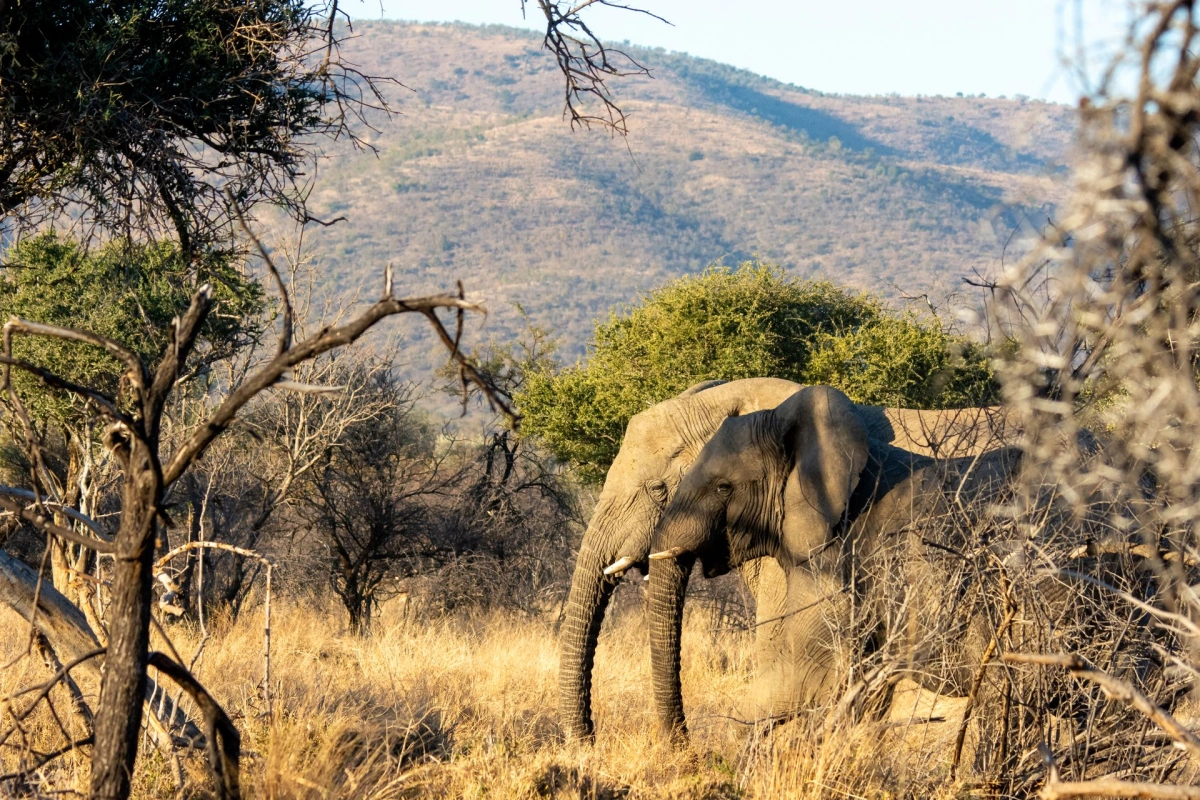
The celebrated wilderness of Greater Kruger, the beautiful mountains and bushveld of KwaZulu-Natal and the malaria-free reserves of the Eastern Cape offer very different experiences, often combined with the country's remarkable coastlines and vibrant cities. With excellent safari lodges, experienced guides and well-established travel connections, South Africa offers outstanding opportunities to discover Africa's wildlife.
Few safari destinations offer quite the same diversity. The vast savannahs of the northeast support impressive populations of elephants, buffalo and predators, while the private reserves bordering Kruger are renowned for their intimate wildlife encounters and exceptional guiding. Further south, the Eastern Cape offers beautiful rolling landscapes and accessible Big Five safaris, while Madikwe and the Waterberg provide rewarding alternatives in malaria-free regions. Whether visiting for a first safari or returning to explore somewhere new, South Africa has an extraordinary range of wilderness experiences.
The Experience
Safari experiences in South Africa range from traditional game drives through immense national parks to exclusive wildlife encounters in private reserves. Lions, leopards, elephants, rhinos and buffalo are among the principal attractions, alongside cheetahs, giraffes, zebras, hippos and an impressive variety of antelope. Many private reserves offer guided walking safaris and night drives, providing opportunities to discover the smaller details of the wilderness and observe animals rarely encountered during daylight hours.
South Africa is particularly celebrated for the quality and variety of its safari accommodation. Intimate tented camps, traditional bush lodges and luxurious private retreats occupy beautiful locations overlooking rivers, waterholes and open plains. Many properties offer fully inclusive stays with meals, game drives and other activities, while excellent road and air connections make it relatively straightforward to combine several reserves or add time in Cape Town, the Winelands or along the coast.
Greater Kruger
Greater Kruger is one of Africa's most celebrated wildlife regions, encompassing Kruger National Park and an extensive network of adjoining private reserves in northeastern South Africa. Together, these protected landscapes form an immense wilderness of savannah, woodland, rivers and rocky hills, supporting an extraordinary concentration of wildlife. Much of the boundary fencing between the national park and neighbouring private reserves has been removed, allowing animals to move across large areas of connected habitat.
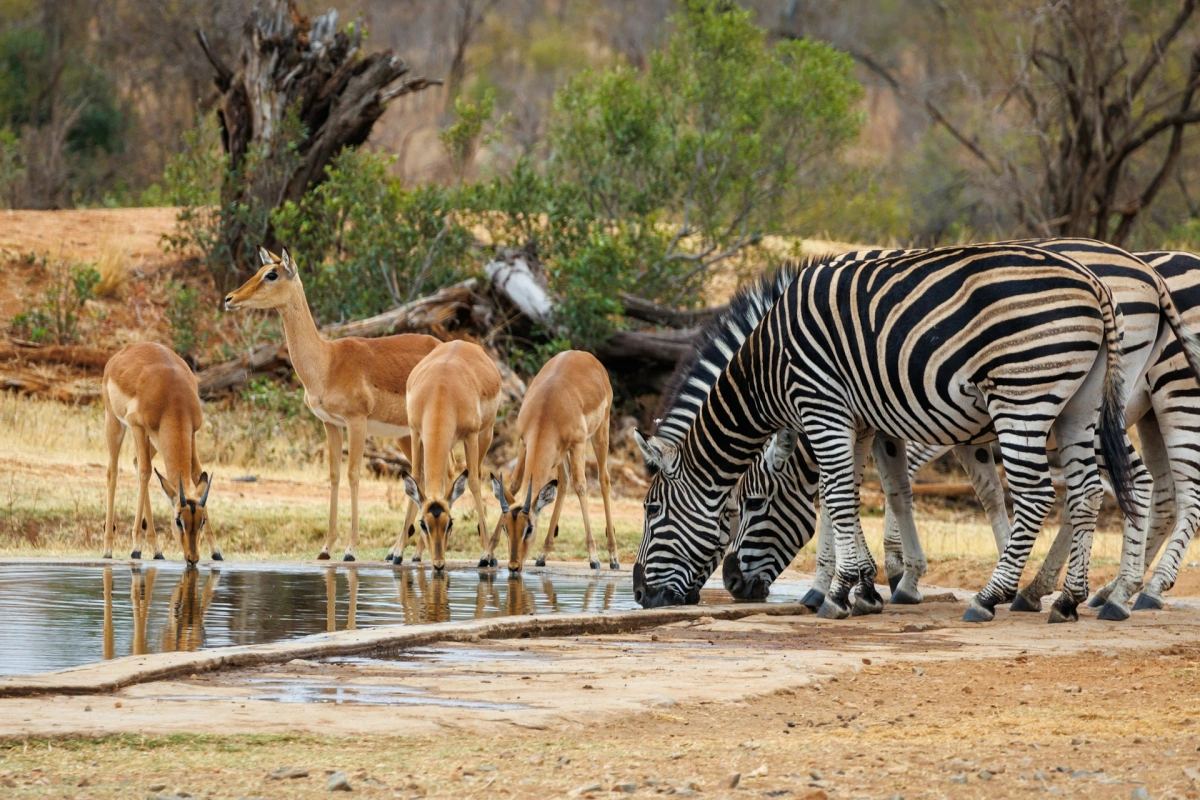
The region is renowned for its Big Five wildlife, with particularly impressive populations of elephants, buffalo and predators. Lions are regularly encountered, while leopards are a major attraction in several private reserves. Rhinos, giraffes, zebras, wildebeest and numerous antelope species inhabit the varied landscapes, alongside spotted hyenas, hippos, crocodiles and African wild dogs. Wildlife viewing can be rewarding throughout the year, although the drier winter months generally provide particularly favourable conditions.
Greater Kruger offers an exceptional variety of safari experiences, from extensive game drives through the national park to highly personalised encounters in private concessions. The private reserves are especially attractive for travellers seeking smaller lodges, experienced trackers and guides, off-road viewing where permitted and the opportunity to explore after dark. With several regional airports and a wide choice of accommodation, Greater Kruger is also among South Africa's most accessible major safari destinations.
Kruger National Park
Kruger National Park is one of Africa's great protected wilderness areas, stretching for approximately 350 kilometres along South Africa's northeastern frontier with Mozambique. Covering nearly two million hectares, the park encompasses a remarkable variety of landscapes, from open grasslands and acacia savannah to riverine forests, granite outcrops and extensive mopane woodland. Its enormous size and diverse habitats support an extraordinary range of wildlife, making Kruger one of the continent's most important conservation areas.
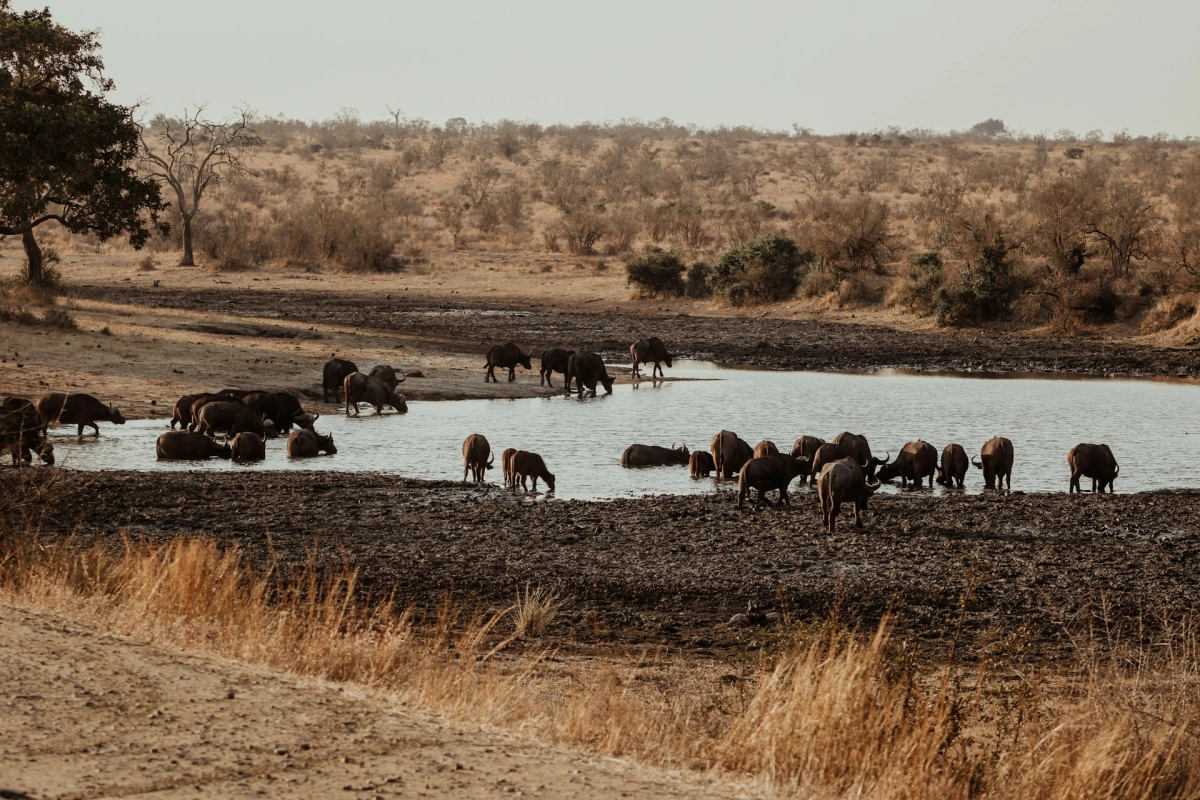
All of the Big Five are found within the park, alongside cheetahs, African wild dogs, spotted hyenas, giraffes, zebras, hippos and an impressive diversity of antelope. The southern and central regions are particularly popular for wildlife viewing, with productive river systems and open savannah supporting substantial populations of herbivores and predators. Northern Kruger offers a quieter atmosphere, beautiful scenery and excellent birdwatching, including species associated with the Limpopo and Luvuvhu river systems.
Game drives are the principal way to explore Kruger, following an extensive network of tarred roads and gravel tracks. Wildlife encounters are often wonderfully unpredictable, with elephants crossing the road, lions resting beneath trees and leopards occasionally appearing along riverbanks. Guided safari drives are available from park camps and neighbouring lodges, while selected private concessions within the park provide a more exclusive experience with accommodation in secluded wilderness locations.
Kruger is accessible through several entrance gates and regional airports, including Skukuza, Hoedspruit and Kruger Mpumalanga International Airport near Mbombela. Accommodation ranges from national park rest camps to luxurious private safari lodges. Its exceptional wildlife, varied landscapes and excellent infrastructure make Kruger particularly appealing for travellers seeking a traditional South African safari.
Places to Stay
Sabi Sand Nature Reserve
Sabi Sand Nature Reserve is among Africa's most prestigious safari destinations, a beautiful private wilderness adjoining the southwestern boundary of Kruger National Park. Its landscape of open savannah, riverine woodland, sandy riverbeds and seasonal watercourses provides outstanding conditions for wildlife viewing. With no fences separating much of the reserve from Kruger, animals move freely through the region, creating exceptional opportunities for intimate encounters with Africa's most celebrated wildlife.
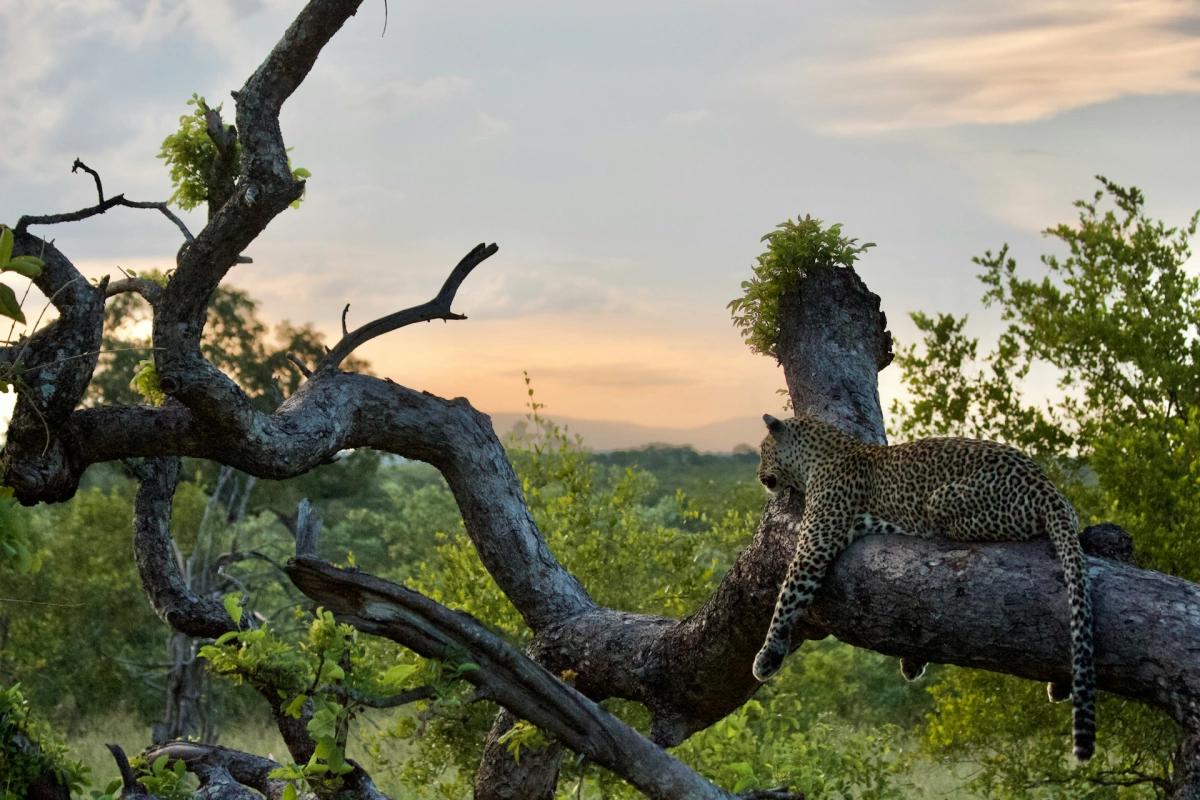
Sabi Sand is particularly renowned for its leopards, with generations of experienced guides and trackers developing an extraordinary understanding of these elusive cats. Lions are also frequently encountered, alongside elephants, buffalo, rhinos, giraffes and numerous antelope species. The reserve's varied habitats support spotted hyenas, African wild dogs and an abundance of birdlife, while the Sand and Sabie river systems attract wildlife throughout the year.
Game drives are conducted in open safari vehicles, usually during the early morning and late afternoon, with experienced trackers helping guides locate animals through footprints and other signs. Carefully managed off-road driving allows closer observation of certain wildlife sightings, while evening drives provide opportunities to encounter nocturnal species. Guided walking safaris are also offered by many lodges, adding a different dimension to the experience.
Accommodation in Sabi Sand is predominantly luxurious, with intimate safari lodges and exclusive private retreats offering exceptional guiding, beautiful surroundings and highly personalised service. Many properties overlook rivers or waterholes, allowing wildlife to be observed directly from the lodge. Access is generally through Skukuza, Hoedspruit or private airstrips, with road transfers also available. For travellers seeking outstanding predator encounters and a refined safari experience, Sabi Sand is one of South Africa's finest choices.
Timbavati Private Nature Reserve
Timbavati Private Nature Reserve occupies a magnificent wilderness along the western boundary of Kruger National Park, forming part of the wider Greater Kruger conservation landscape. Its extensive savannahs, mixed woodland and seasonal riverbeds support a remarkable variety of wildlife, while the absence of fences along the Kruger boundary allows animals to move naturally across the region. Timbavati is particularly celebrated for its spacious landscapes, intimate safari camps and outstanding opportunities to encounter Africa's larger mammals.
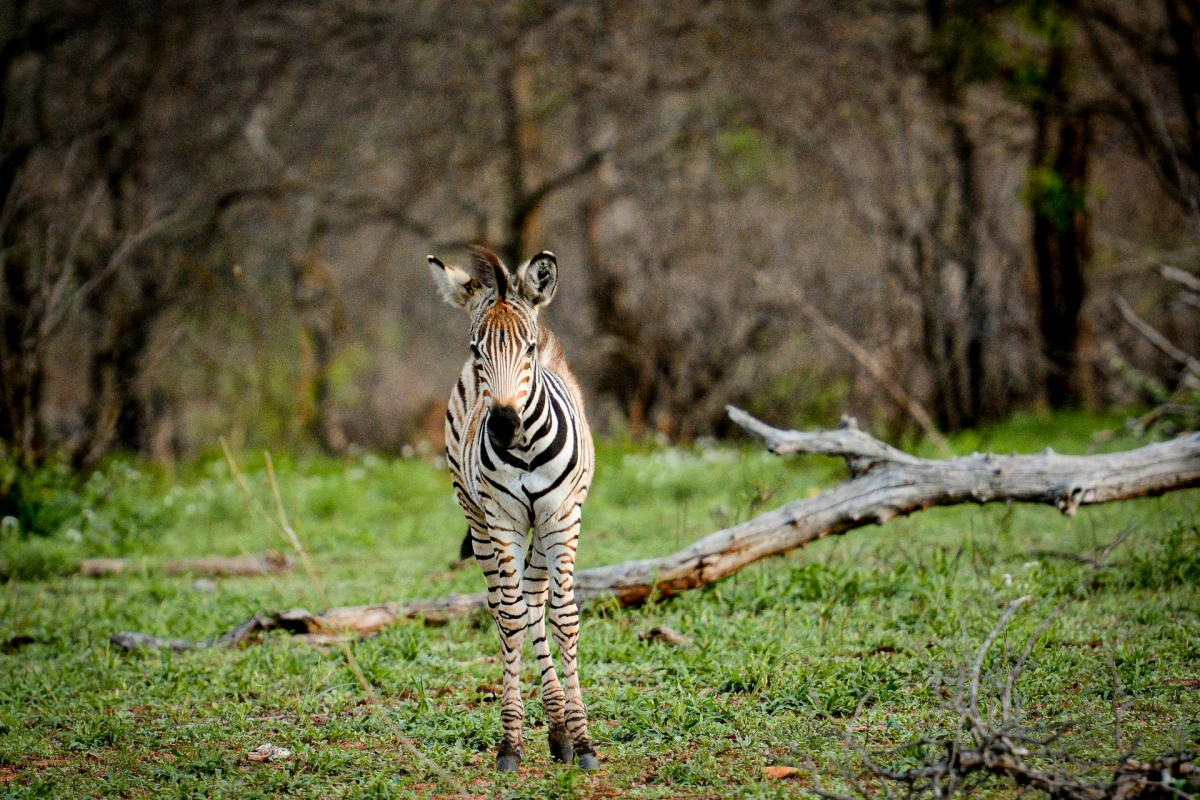
The reserve is home to the Big Five, with elephants, lions, leopards, buffalo and rhinos among its principal attractions. African wild dogs, spotted hyenas, giraffes, zebras and numerous antelope species also inhabit the area. Timbavati is historically associated with the rare white lions that have occasionally appeared in the region, although sightings of these unusual animals are exceptionally uncommon and should never be expected.
Game drives explore woodland tracks, open clearings and dry riverbeds, with experienced guides and trackers searching for wildlife throughout the day. Many lodges offer night drives and guided walking safaris, providing opportunities to observe nocturnal animals and discover the fascinating details of the bush. The reserve's relatively low visitor density creates a wonderfully peaceful atmosphere, with wildlife encounters often taking place away from other vehicles.
Timbavati is particularly convenient for travellers arriving through Hoedspruit, with several lodges reached by road from the airport and others served by private airstrips. Accommodation ranges from traditional tented camps to luxurious safari retreats, many offering fully inclusive stays. Its combination of excellent wildlife, beautiful scenery and secluded accommodation makes Timbavati a particularly rewarding alternative to the better-known Sabi Sand.
Klaserie Private Nature Reserve
Klaserie Private Nature Reserve is one of Greater Kruger's largest private conservation areas, occupying a vast landscape of woodland, open savannah and seasonal river systems northwest of Kruger National Park. Forming part of the connected Greater Kruger wilderness, Klaserie is renowned for its unspoilt surroundings, relatively low visitor numbers and traditional approach to safari guiding. Its expansive landscapes create a wonderful sense of isolation, particularly for travellers seeking a quieter wilderness experience.
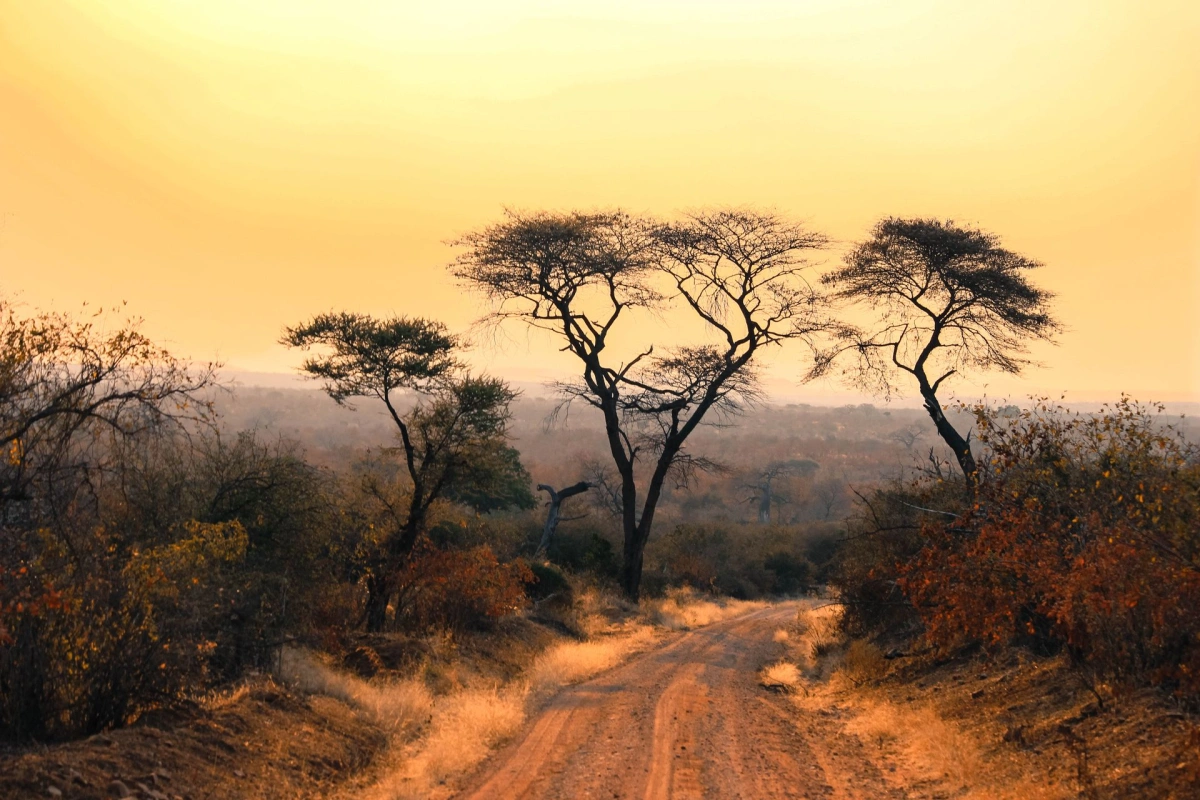
Elephants, buffalo, lions, leopards and rhinos inhabit the reserve, alongside giraffes, zebras, kudu, impala and numerous other antelope species. African wild dogs and spotted hyenas are also encountered, while the Klaserie River and its tributaries provide important habitats for birds and smaller wildlife. The diversity of vegetation and the reserve's substantial size make wildlife encounters varied and sometimes unpredictable, adding to the excitement of exploring the area.
Game drives are the principal activity, with guides following animal tracks through woodland, across open plains and along dry riverbeds. Many camps also offer guided walking safaris and evening drives, allowing visitors to experience the wilderness in different ways. The emphasis is often on patient observation, excellent guiding and a more traditional safari atmosphere rather than moving quickly between sightings.
Accommodation in Klaserie includes intimate bush camps, comfortable tented lodges and luxurious private retreats. Hoedspruit is the principal regional gateway, with road transfers connecting the airport to many of the reserve's lodges. Klaserie is particularly appealing for travellers who value peaceful surroundings, experienced guides and a safari experience that feels genuinely immersed in the African wilderness.
Manyeleti Game Reserve
Manyeleti Game Reserve occupies an exceptional position between Kruger National Park, Sabi Sand and Timbavati, forming part of the greater unfenced wildlife landscape of northeastern South Africa. Its name is commonly translated as the Place of Stars, a fitting description for a beautiful wilderness where expansive night skies illuminate open savannah, woodland and seasonal riverbeds. The reserve is particularly attractive for its relatively low visitor numbers and intimate safari atmosphere.
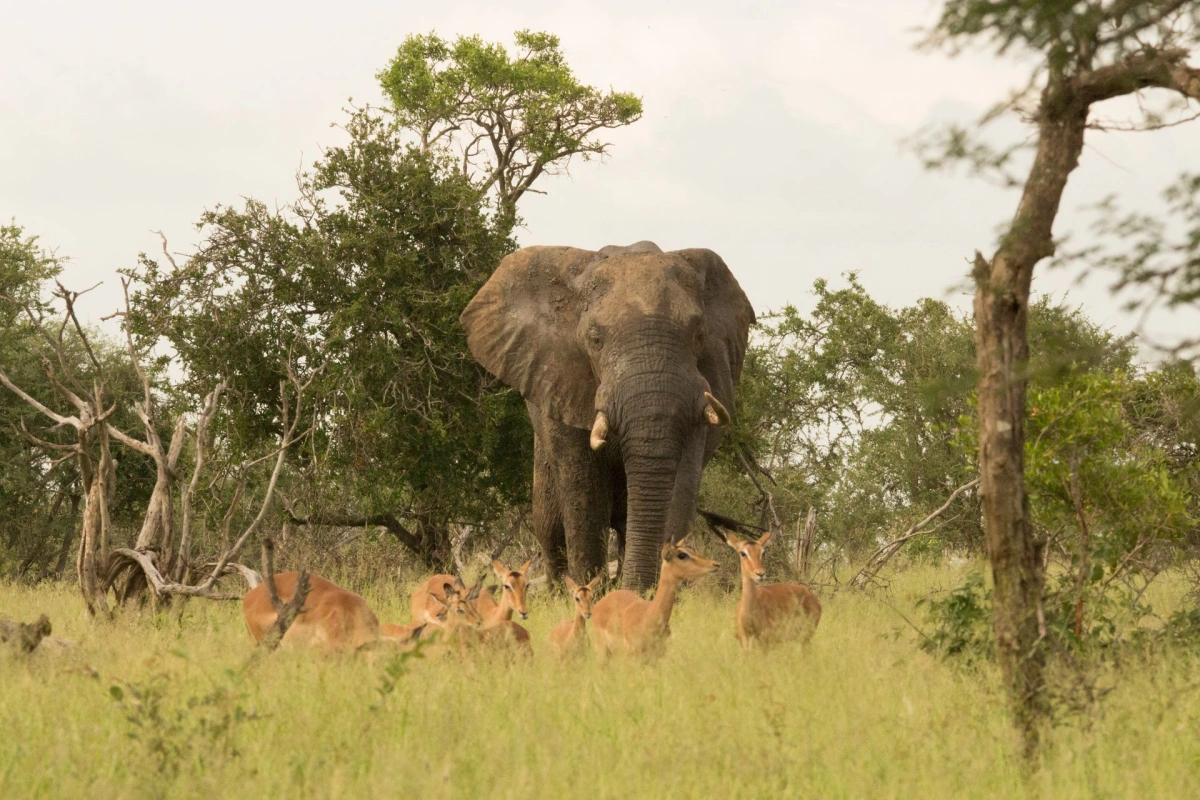
Manyeleti supports the Big Five, with elephants, lions, leopards, buffalo and rhinos moving through its varied habitats. Giraffes, zebras, wildebeest and numerous antelope species are regularly encountered, while spotted hyenas and African wild dogs add to the region's predator diversity. Wildlife viewing can be excellent, particularly during the dry season when vegetation becomes thinner and animals gather around reliable water sources.
Game drives explore sandy tracks, open clearings and woodland, often with very few other safari vehicles nearby. Many lodges also offer guided bush walks and evening drives, providing opportunities to discover nocturnal wildlife and the smaller details of the environment. The absence of large visitor concentrations makes Manyeleti especially appealing to travellers who prefer a more secluded safari experience.
Accommodation ranges from traditional tented camps to exclusive safari lodges, with several properties offering fully inclusive stays. Hoedspruit and Skukuza provide useful regional access, followed by road transfers to individual camps. Manyeleti combines excellent wildlife opportunities with a quieter atmosphere, making it a rewarding choice within Greater Kruger.
Limpopo
Limpopo is one of South Africa's most rewarding safari regions, a beautiful province of rugged mountains, open savannah, ancient river valleys and extensive private game reserves. Stretching north towards Botswana and Zimbabwe, it encompasses the northern reaches of Kruger National Park, the magnificent Waterberg Biosphere and a collection of smaller wilderness reserves. Its varied landscapes and relatively uncrowded safari areas make Limpopo particularly appealing for travellers seeking exceptional wildlife encounters away from the country's more frequently visited destinations.
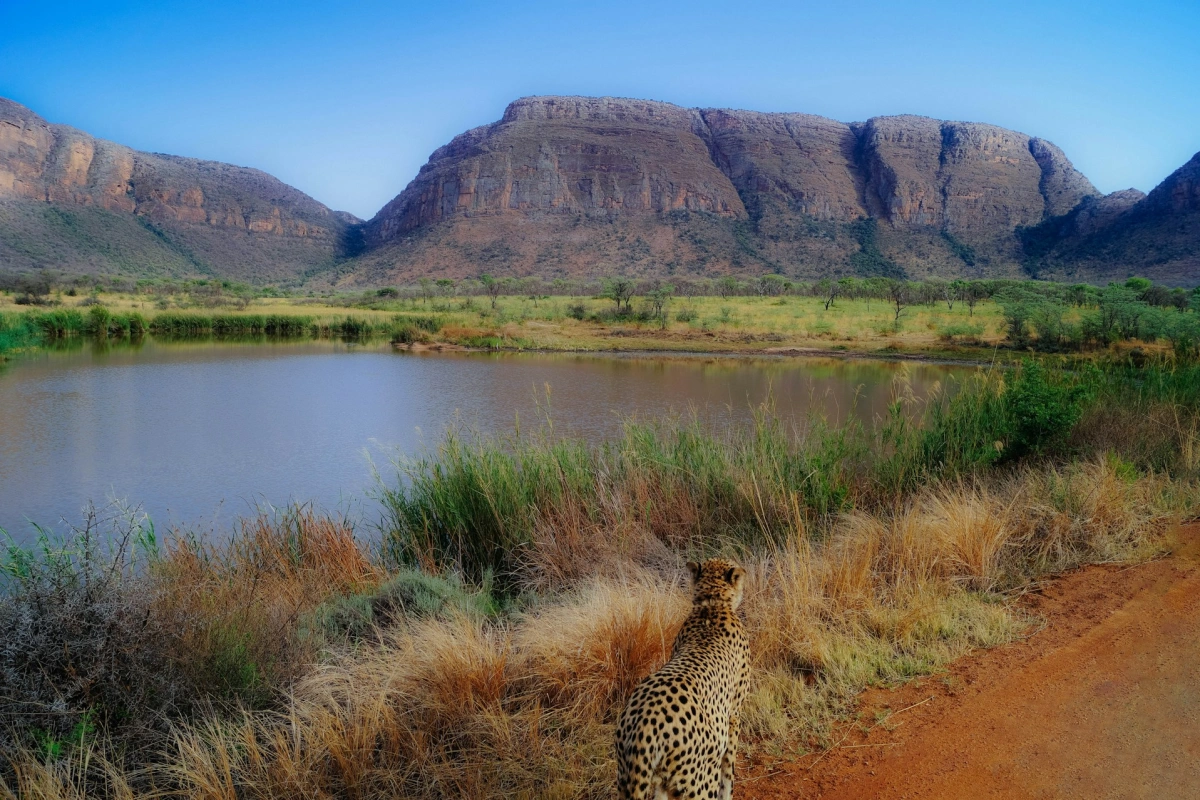
The province supports an impressive variety of wildlife, including elephants, lions, leopards, buffalo and rhinos, alongside giraffes, zebras, wildebeest and numerous antelope species. The Waterberg is especially attractive for its dramatic sandstone mountains, wooded valleys and malaria-free safari areas, while the northern reaches of Kruger offer beautiful riverine landscapes and outstanding birdlife. Private reserves such as Welgevonden and Marakele National Park provide rewarding Big Five experiences, although wildlife populations and sightings vary considerably between locations.
Safari activities range from traditional game drives and guided walking safaris to specialist wildlife and conservation experiences. Many private reserves offer intimate encounters with wildlife in beautiful natural surroundings, with experienced guides exploring woodland tracks, rocky hillsides and open grasslands. The Waterberg's dramatic scenery adds considerably to the experience, while the region's smaller lodges and private camps often provide a particularly peaceful atmosphere.
Accommodation includes intimate bush lodges, luxurious private retreats and traditional tented safari camps, with many properties offering fully inclusive stays. The Waterberg is accessible by road from Johannesburg, generally requiring between three and five hours depending on the reserve, while Hoedspruit and Polokwane provide useful gateways to other parts of Limpopo. For travellers seeking beautiful scenery, excellent wildlife and a quieter safari experience, Limpopo offers a compelling alternative to South Africa's better-known reserves.
Madikwe Game Reserve
Madikwe Game Reserve is one of South Africa's finest malaria-free safari destinations, occupying a beautiful landscape of rolling hills, open grasslands, rocky ridges and mixed woodland along the country's border with Botswana. Covering approximately 75,000 hectares, the reserve was established through an ambitious wildlife restoration programme that transformed former agricultural land into a thriving protected wilderness. Today, Madikwe is celebrated for its excellent wildlife, attractive safari lodges and relatively peaceful atmosphere.
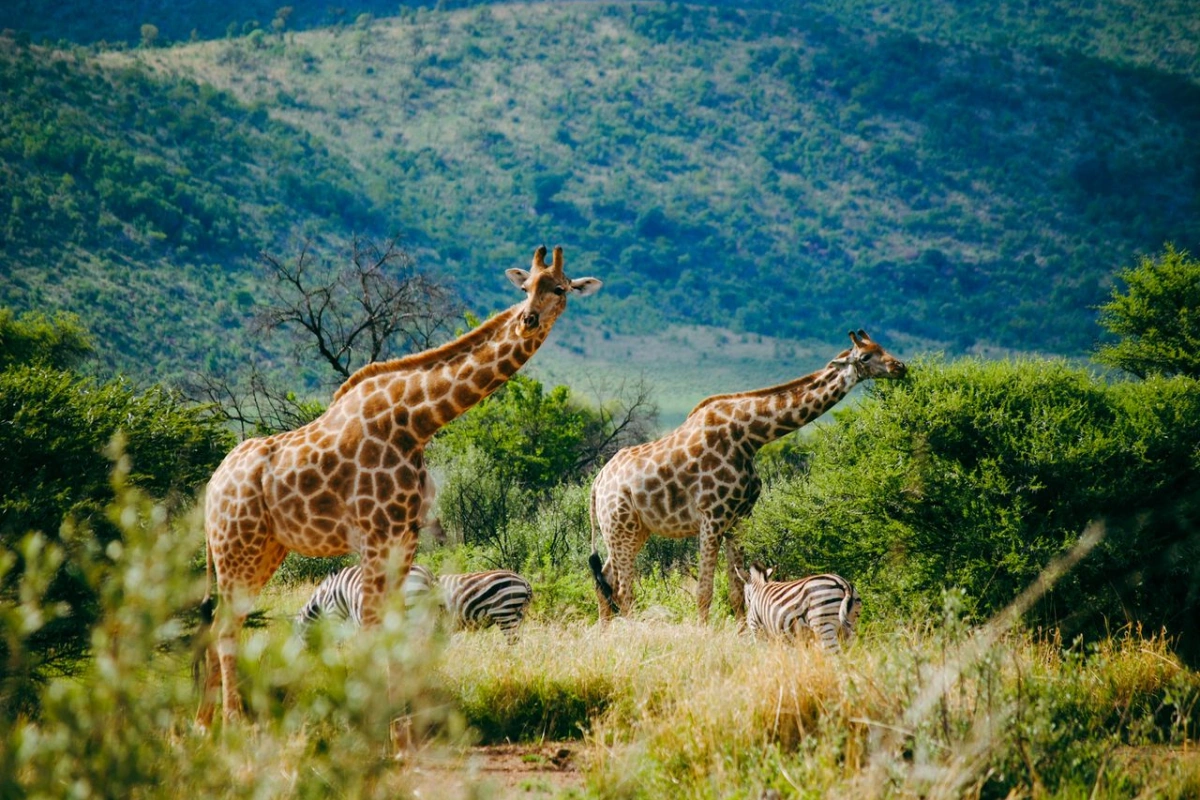
Madikwe supports the Big Five, with elephants, buffalo, lions, leopards and rhinos among its principal attractions. The reserve is also particularly well known for African wild dogs, although sightings remain dependent on the movements of these wide-ranging predators. Cheetahs, spotted and brown hyenas, giraffes, zebras and numerous antelope species inhabit the varied landscapes, while the reserve's position between different ecological regions contributes to its impressive diversity of wildlife and birdlife.
Game drives explore open plains, woodland tracks and rocky hillsides, with experienced guides searching for wildlife during the cooler morning and evening hours. The reserve's landscapes provide beautiful photographic opportunities, particularly around waterholes and the more open grasslands. Night drives and guided walks are offered by selected lodges, allowing visitors to discover additional aspects of the wilderness.
Accommodation in Madikwe is predominantly found in private safari lodges, ranging from intimate retreats to larger luxury properties. The reserve is generally reached by road from Johannesburg, a journey of approximately four to five hours depending on the lodge, or by arranged charter flight. Its malaria-free location and excellent wildlife make Madikwe particularly attractive for families and travellers seeking a rewarding safari without travelling to the far northeast of South Africa.
Pilanesberg National Park
Pilanesberg National Park occupies a remarkable landscape within the remains of an ancient volcanic complex northwest of Johannesburg. Its circular arrangement of hills, rocky ridges, open plains and valleys creates one of South Africa's most distinctive wildlife settings. Situated within a malaria-free region and accessible by road from Johannesburg, Pilanesberg offers a convenient introduction to the country's safari experiences without requiring additional domestic flights.
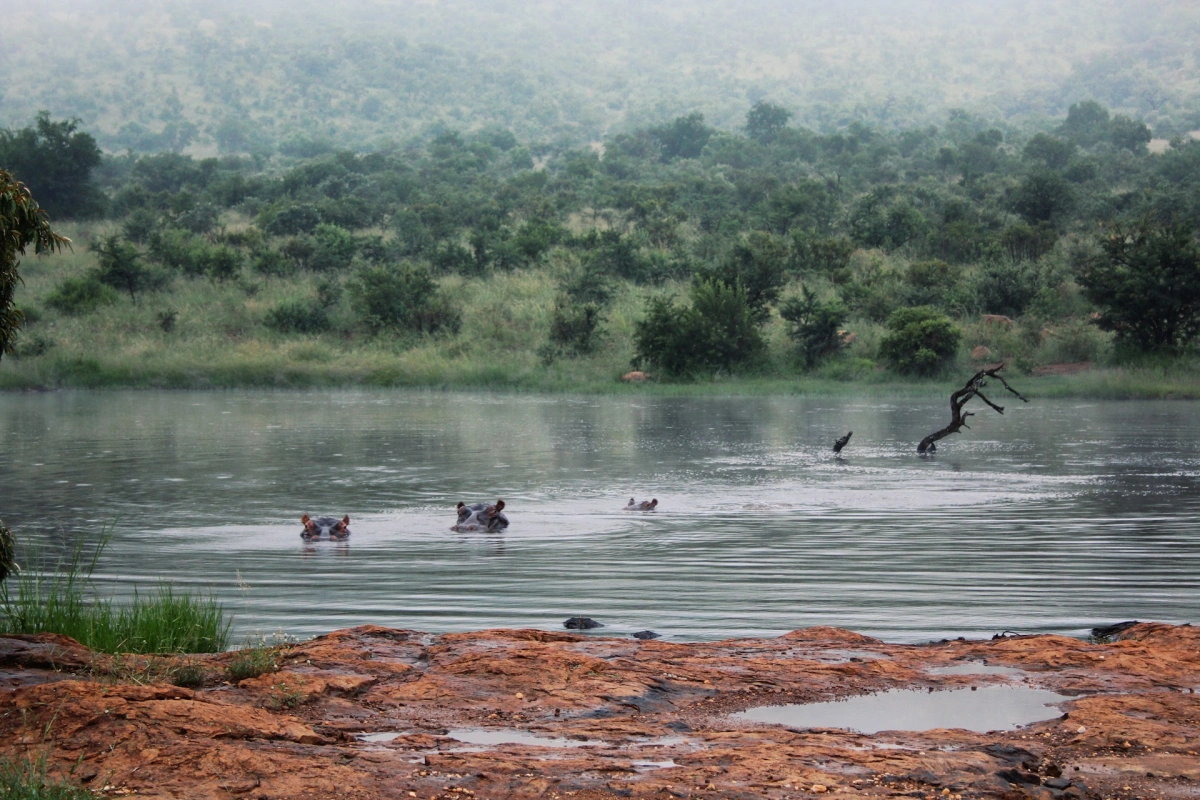
The park supports the Big Five, alongside giraffes, zebras, wildebeest, hippos and numerous antelope species. Lions and elephants are important attractions, while leopards and other elusive predators require more patience to encounter. The varied habitats attract an impressive range of birdlife, particularly around the park's dams and waterholes, where wildlife frequently gathers during the drier months.
Game drives follow a well-developed network of roads through open grasslands, woodland and rocky terrain. Guided safaris are available from lodges, while the park is also popular with self-drive visitors. The dramatic volcanic scenery creates a particularly attractive backdrop for wildlife photography, with viewpoints offering sweeping panoramas across the surrounding landscape.
Pilanesberg is approximately two and a half to three hours by road from Johannesburg, depending on the route and destination within the park. Accommodation includes comfortable safari lodges and luxury retreats, many offering guided game drives and full-board packages. Its convenient location makes Pilanesberg particularly suitable for shorter safari stays or travellers combining wildlife experiences with time in Johannesburg.
Eastern Cape
The Eastern Cape offers a wonderfully different safari experience, combining rolling hills, open grasslands, river valleys and dense indigenous thicket with the advantage of a malaria-free environment. Its private game reserves and national parks are spread across a beautiful region of southeastern South Africa, many within convenient reach of Gqeberha and the Garden Route. The landscapes are particularly attractive, with dramatic valleys and distant mountain ranges creating a memorable setting for wildlife encounters.
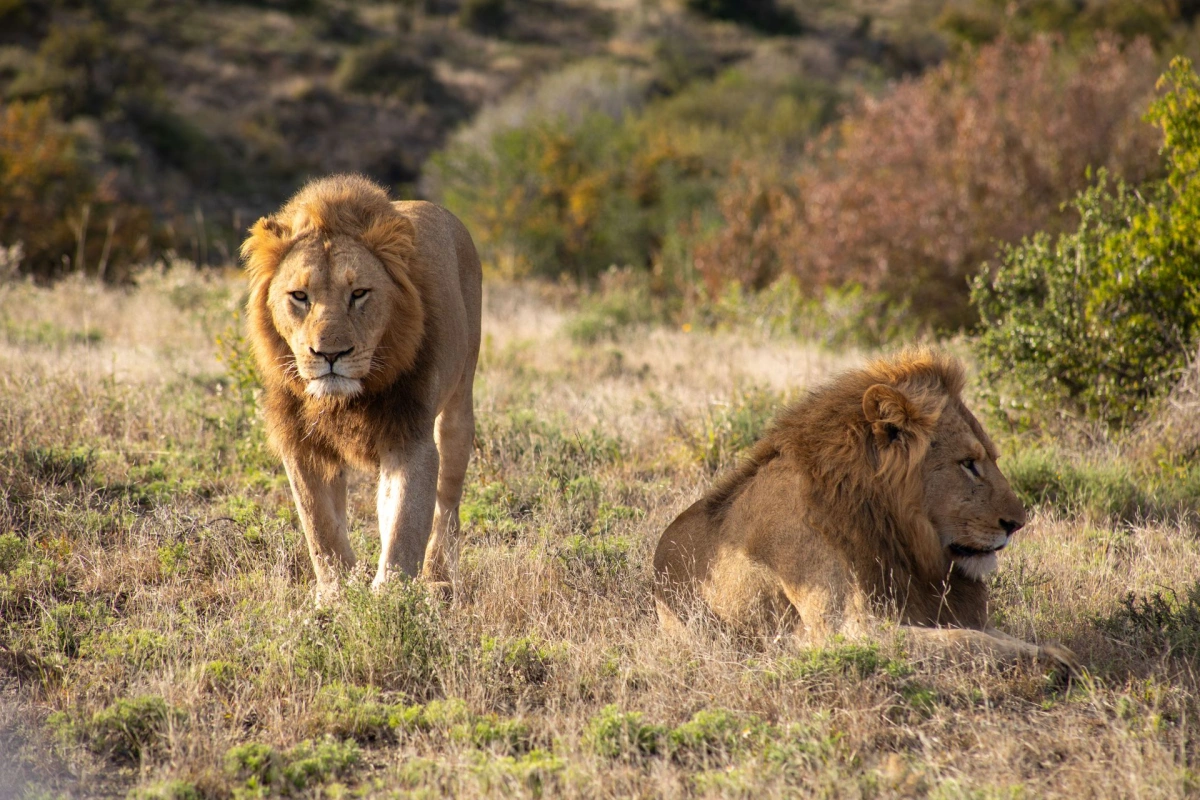
Several reserves support the Big Five, with elephants, lions, buffalo, rhinos and leopards among the region's wildlife attractions. Giraffes, zebras, wildebeest and numerous antelope species are also encountered, while some reserves offer opportunities to observe cheetahs and other predators. Wildlife populations and the degree of natural movement vary considerably between reserves, making the choice of location particularly important for travellers seeking a specific type of safari experience.
Game drives explore varied terrain, from open plains and wooded valleys to rocky hillsides and riverbanks. Many private reserves offer guided walks, conservation experiences and specialist activities, while the absence of malaria risk makes the region particularly appealing to families. The scenery itself is a major attraction, especially during the greener months when the countryside becomes beautifully lush.
Accommodation ranges from intimate tented camps to luxurious safari lodges, with several properties offering fully inclusive stays. The Eastern Cape is especially convenient for travellers combining a safari with Cape Town, the Garden Route or the region's attractive coastal destinations. Gqeberha is the principal regional airport, with road transfers to many reserves taking between approximately one and two hours, although more remote properties require longer journeys.
Addo Elephant National Park
Addo Elephant National Park is one of South Africa's most important conservation areas, situated in the Eastern Cape north of Gqeberha. Originally established to protect a small surviving population of elephants, the park has expanded considerably and now encompasses a remarkable variety of landscapes, from dense spekboom thicket and open plains to mountains and coastal environments. Its conservation success has made Addo one of the country's most celebrated wildlife destinations.
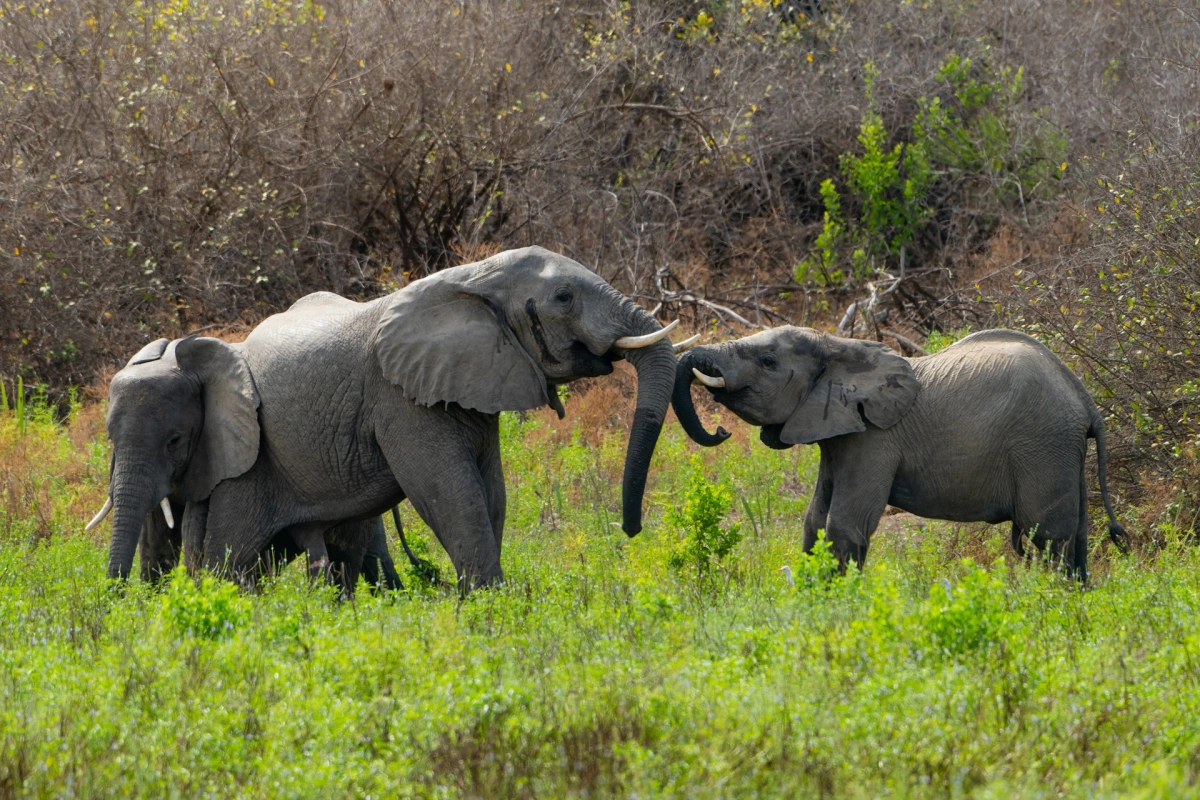
Elephants are the undisputed stars of Addo, with large family groups regularly gathering around waterholes and moving through the surrounding thicket. Buffalo, zebras, warthogs, kudu and numerous smaller animals are also encountered, while lions inhabit parts of the park. Leopards are present but exceptionally elusive. The park's unusual range of habitats supports varied birdlife and important populations of species adapted to the Eastern Cape's distinctive vegetation.
Game drives provide excellent opportunities to observe elephants at close range, particularly around the main park's waterholes. Guided activities are available, although Addo is also well suited to self-drive exploration along its established road network. The contrast between dense vegetation and open viewing areas creates an enjoyable and sometimes surprising wildlife experience.
Addo is conveniently reached from Gqeberha, with the main entrance approximately an hour's drive from the city. Accommodation includes national park lodgings and private properties in the surrounding area. Its accessible location makes Addo an appealing addition to an Eastern Cape safari or a journey along South Africa's southern coastline.
KwaZulu-Natal
KwaZulu-Natal is one of South Africa's most beautiful and diverse safari regions, combining subtropical woodland, rolling savannah, dramatic mountains and coastal wetlands. Situated along the country's eastern seaboard, the province is home to several important wildlife reserves, including the celebrated Hluhluwe-iMfolozi Park and a collection of private conservation areas. Its varied landscapes and rich biodiversity create rewarding opportunities for traditional game viewing, birdwatching and specialist wildlife experiences.
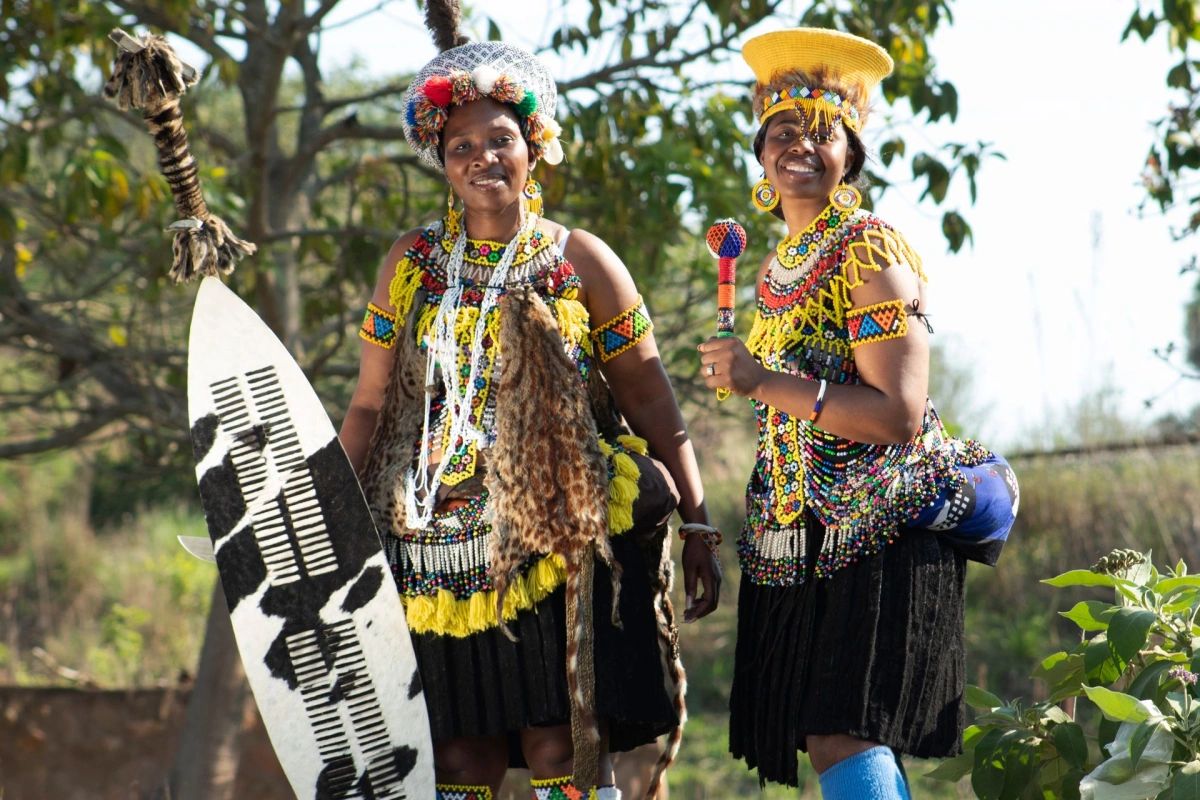
Elephants, buffalo, lions, leopards and rhinos inhabit the province's principal safari reserves, alongside giraffes, zebras, wildebeest and numerous antelope species. KwaZulu-Natal is particularly significant for rhino conservation, with Hluhluwe-iMfolozi playing a historic role in the recovery of southern white rhinos. The province also supports an extraordinary diversity of birds, while its coastal wetlands and estuaries provide habitats for hippos, crocodiles and other aquatic wildlife.
Safari activities include guided game drives, walking safaris and specialist wildlife excursions, with the experience varying between national parks and private reserves. Some properties combine traditional Big Five safaris with conservation activities, while the province's proximity to the Indian Ocean creates opportunities to combine wildlife viewing with beautiful beaches and marine experiences.
Durban's King Shaka International Airport is the principal gateway, with road transfers connecting travellers to the province's northern safari reserves. Travel times vary considerably, but many properties around Hluhluwe and the surrounding private reserves are reached in approximately three to four hours. KwaZulu-Natal is particularly appealing for travellers seeking a safari that combines outstanding wildlife with a broader exploration of South Africa's natural landscapes.
Places to Stay
Hluhluwe-iMfolozi Park
Hluhluwe-iMfolozi Park is one of Africa's oldest proclaimed protected areas, occupying a magnificent landscape of rolling hills, river valleys, woodland and open grasslands in northern KwaZulu-Natal. The park is internationally renowned for its contribution to rhino conservation, particularly the recovery of southern white rhinos through pioneering protection and translocation programmes. Its beautiful scenery and impressive wildlife make it one of South Africa's most rewarding traditional safari destinations.
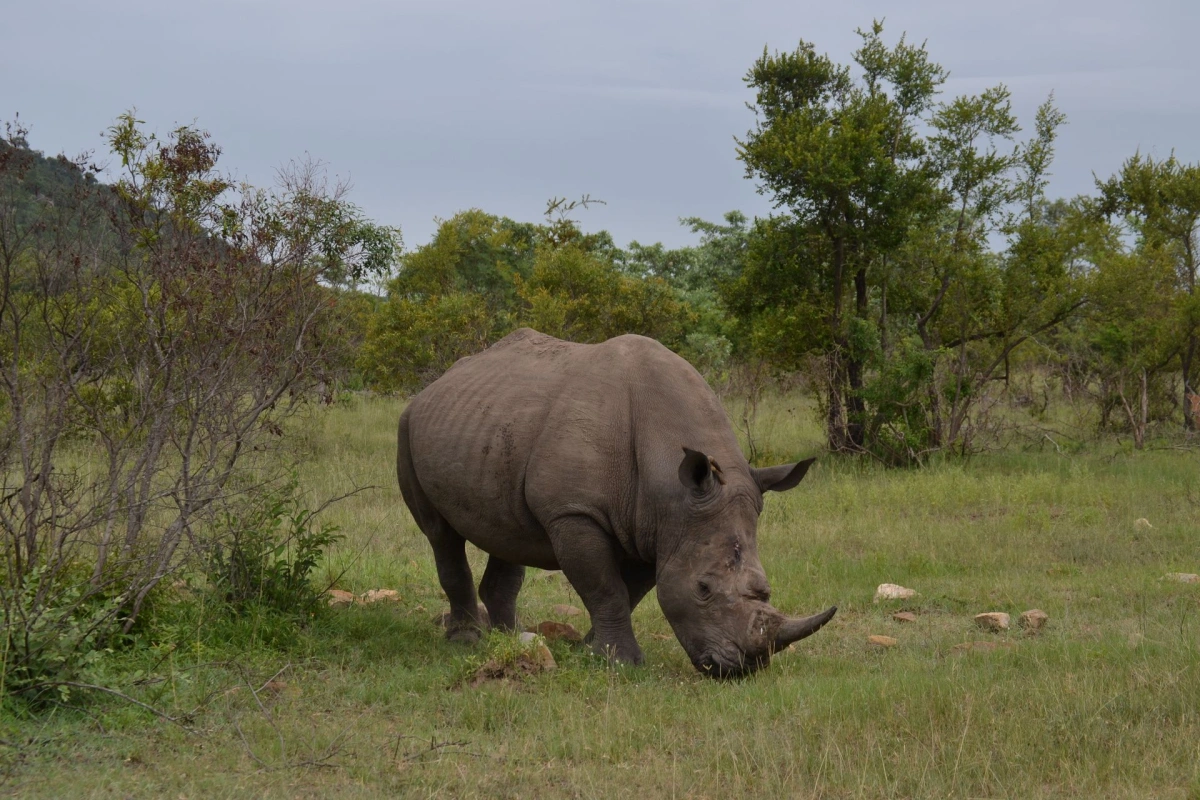
Both white and black rhinos inhabit the park, alongside elephants, buffalo, lions and leopards. Giraffes, zebras, wildebeest, nyala and numerous other antelope species are also found across its varied habitats. The rolling hills and river systems support an impressive diversity of birdlife, while the combination of woodland and open savannah creates attractive conditions for wildlife photography.
Game drives explore winding roads through hills, valleys and open grasslands, with wildlife encounters often framed by beautiful panoramic scenery. Guided walking safaris are an important part of the park's heritage, offering opportunities to discover the wilderness on foot with experienced rangers. The park's historical significance and strong conservation focus add another dimension to the safari experience.
Hluhluwe-iMfolozi is generally reached by road from Durban, with the journey taking approximately three hours or longer depending on the entrance and traffic conditions. Accommodation is available within the park and at private lodges in the surrounding area. Its combination of impressive wildlife, scenic landscapes and conservation history makes it an excellent choice for travellers exploring KwaZulu-Natal.
When to Visit
South Africa offers rewarding safari experiences throughout the year, although the best time to travel varies considerably between its different wildlife regions. The northeastern reserves around Greater Kruger experience a distinct dry winter and wetter summer, while the Eastern Cape and parts of KwaZulu-Natal have different rainfall patterns and seasonal conditions. Understanding these regional variations is particularly important when planning a safari that combines wildlife viewing with other parts of the country.
The Dry Season
May to September is generally considered the prime safari period across Greater Kruger, including Sabi Sand, Timbavati, Klaserie and Manyeleti. As rainfall becomes scarce, vegetation thins and animals increasingly gather around permanent rivers and waterholes. These conditions can make wildlife easier to locate, particularly elephants, buffalo and other large mammals. Predators remain active throughout the year, but the reduced vegetation can provide clearer views during game drives.
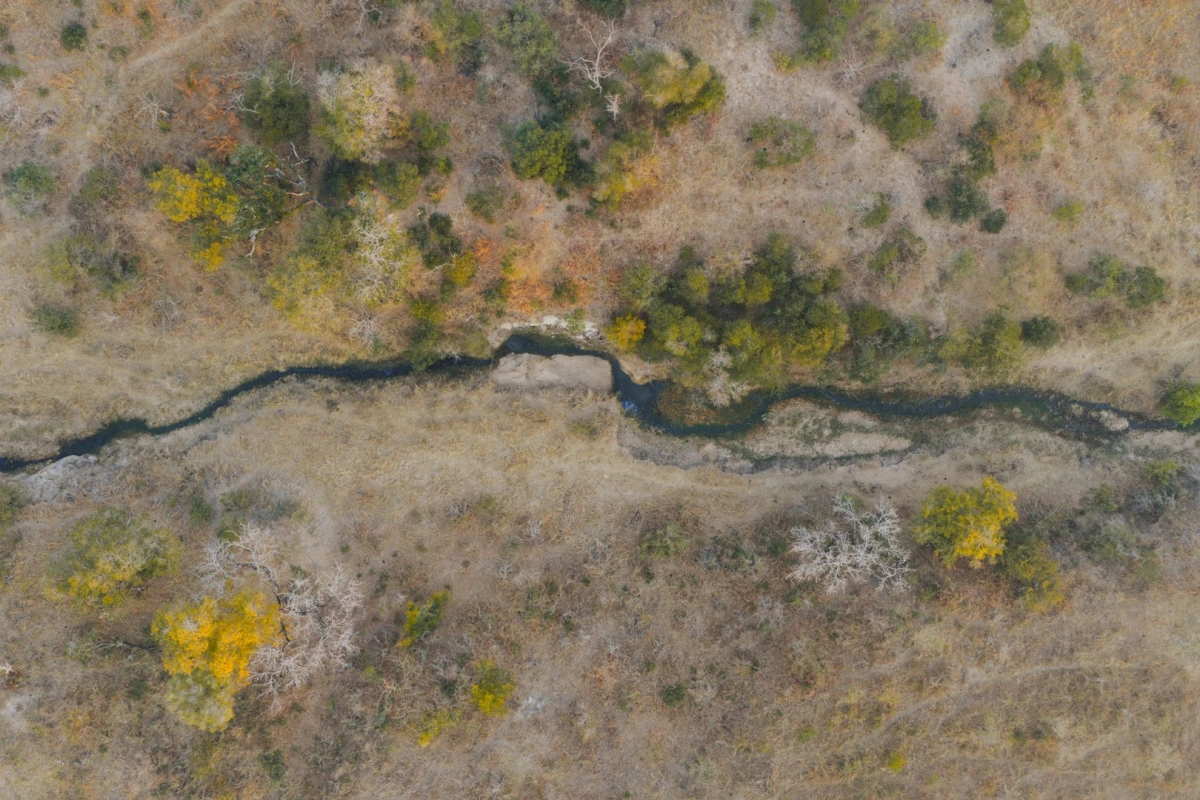
June, July and August typically bring sunny days, cool nights and very little rainfall in the northeastern safari regions. Early morning game drives can be surprisingly cold, particularly in open vehicles, making warm clothing essential. September becomes progressively warmer as the dry season approaches its end, with wildlife often concentrating around the remaining water sources. These months are especially popular for traditional Big Five safaris, although accommodation prices can be higher at the most sought-after lodges.
The Green Season
October to April brings warmer temperatures and summer rainfall to much of northeastern South Africa, transforming the bushveld into a landscape of fresh vegetation, flowering plants and seasonal waterholes. Wildlife becomes more widely dispersed as water is readily available, while thicker vegetation can make some animals harder to locate. However, the scenery is beautiful, birdlife is particularly impressive and the arrival of young animals creates fascinating opportunities to observe wildlife behaviour.
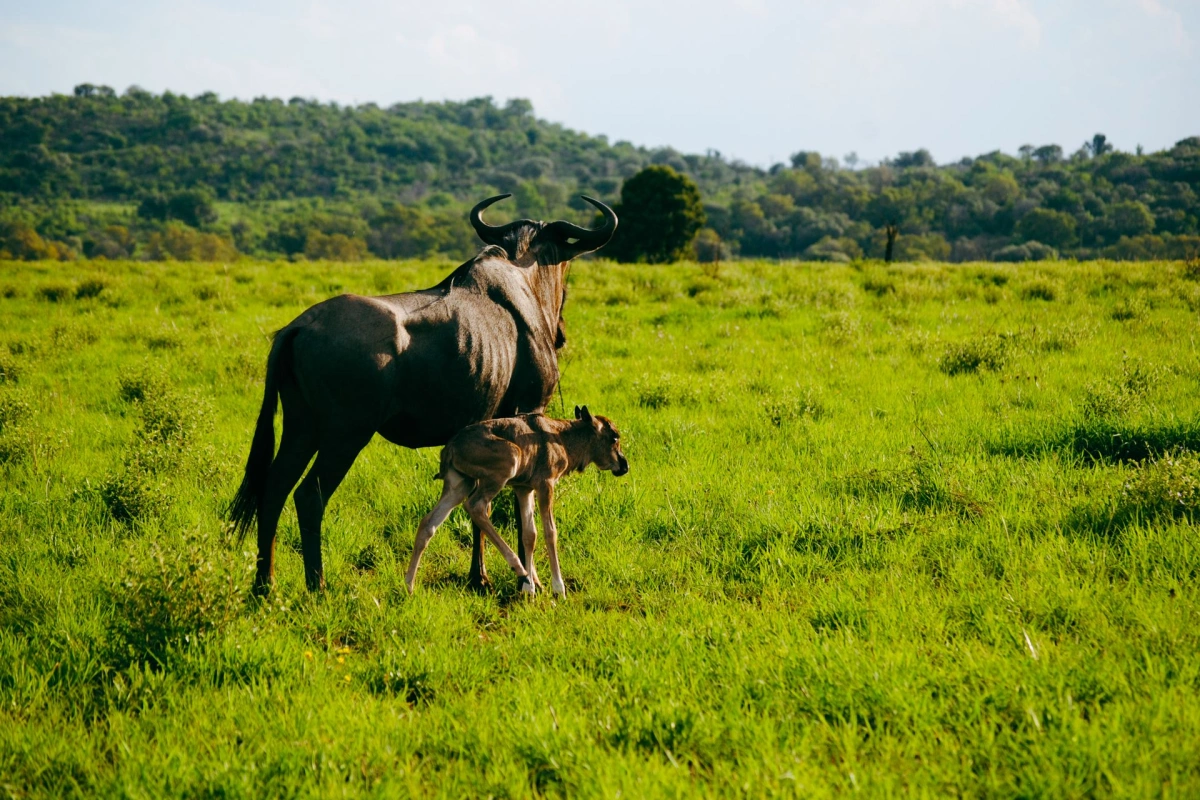
November to March is especially rewarding for birdwatching, with migratory species arriving and many resident birds displaying breeding plumage. Afternoon thunderstorms can be dramatic, often followed by clear skies and beautiful evening light. January and February are generally among the hottest and wettest months in Greater Kruger, while October and November can bring particularly high temperatures before the rains become established. Some lodges offer more attractive rates during the quieter summer months.
Regional Differences
The Eastern Cape offers a more temperate safari climate, with rainfall possible throughout the year and generally less extreme seasonal contrasts than Greater Kruger. Wildlife viewing remains rewarding in every season, although winter mornings can be cold and summer brings greener landscapes. KwaZulu-Natal is warmer and more humid, particularly during summer, while its coastal and inland reserves experience differing conditions according to altitude and proximity to the Indian Ocean.
Madikwe and Pilanesberg follow broadly similar seasonal patterns to the northeastern bushveld, with dry winters and summer rainfall. Winter is often particularly favourable for wildlife viewing around waterholes, while the warmer months bring lush vegetation and excellent birdlife. For travellers combining a safari with Cape Town, it is worth remembering that the Western Cape experiences its principal rainfall during winter, creating a different seasonal pattern from the country's main northeastern safari regions.
Wildlife and Safari Experiences
South Africa is one of the world's great wildlife destinations, supporting an extraordinary variety of mammals, birds, reptiles and smaller animals across its national parks and private reserves. The Big Five are the country's most celebrated safari attractions, with elephants, lions, leopards, rhinos and buffalo found in many of its principal wildlife regions. Greater Kruger is particularly renowned for its predators and large elephant populations, while Madikwe, the Eastern Cape and KwaZulu-Natal offer rewarding wildlife experiences in very different landscapes.
Beyond the Big Five, South Africa is home to giraffes, zebras, wildebeest, hippos, crocodiles and an impressive range of antelope species. Cheetahs and African wild dogs are particular highlights in selected reserves, while spotted hyenas, jackals and numerous smaller predators add to the diversity of wildlife encounters. The country's varied habitats also support rare and elusive animals such as pangolins, aardvarks and servals, although sightings of these species are exceptionally uncommon.
Game Drives
Traditional game drives are the foundation of most South African safaris, with experienced guides exploring the wilderness in specially adapted four-wheel-drive vehicles. Early mornings and late afternoons are generally the most productive times, when temperatures are cooler and animals are more active. Guides follow tracks, listen for alarm calls and use their knowledge of the landscape to locate wildlife, often spending considerable time observing individual animals and their behaviour.
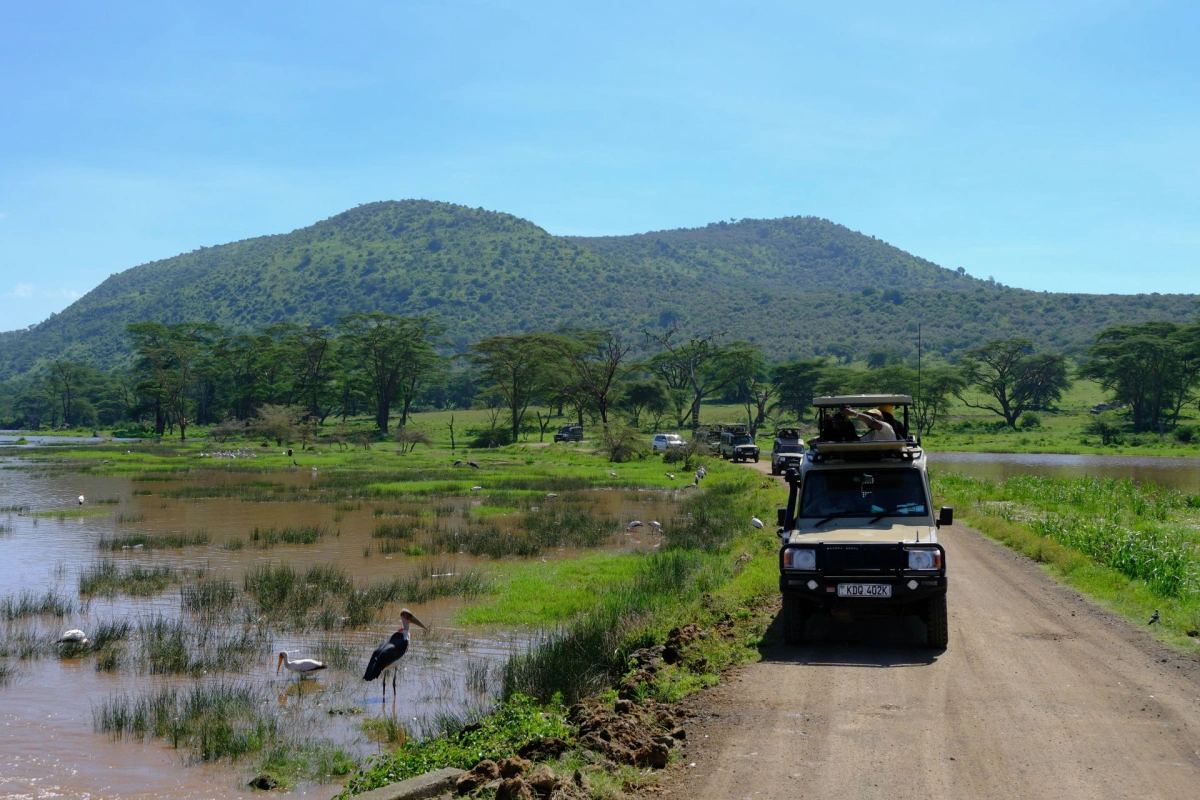
Private reserves often provide a particularly intimate experience, with smaller vehicles, experienced trackers and the ability to leave established tracks for selected wildlife sightings where regulations permit. Night drives offer opportunities to encounter nocturnal animals, including leopards, civets, genets, porcupines and smaller predators. These activities vary between reserves and lodges, making the choice of accommodation an important part of planning a safari.
Walking Safaris
Exploring the African wilderness on foot offers an entirely different perspective on South Africa's wildlife and landscapes. Accompanied by qualified guides and armed rangers where required, walking safaris focus on animal tracks, plants, insects and the subtle signs of wildlife activity that are easily overlooked from a vehicle. Encounters with larger animals are possible, although the emphasis is on understanding the environment and observing wildlife responsibly rather than approaching animals closely.
Walking safaris are particularly associated with Greater Kruger and selected private reserves, where experienced guides lead excursions through woodland, riverbeds and open savannah. Some properties offer short guided walks between game drives, while specialist walking safari camps provide more immersive experiences. Walking conditions and age restrictions vary between reserves, and activities may be adjusted according to weather and wildlife movements.
Rhino Conservation
South Africa plays an exceptionally important role in the conservation of both white and black rhinos, with several national parks and private reserves supporting significant populations. Hluhluwe-iMfolozi Park is particularly celebrated for its historic contribution to the recovery of southern white rhinos, while Kruger, Madikwe and selected private reserves remain important habitats for these remarkable animals. Rhino conservation is an ongoing challenge, with anti-poaching operations, habitat protection and carefully managed breeding programmes playing essential roles.
Some safari lodges offer opportunities to learn more about conservation work through educational experiences and discussions with guides or specialist conservation teams. These activities provide valuable insight into the challenges facing Africa's wildlife and the efforts being made to protect threatened species. Responsible tourism can contribute to conservation through park fees, employment and support for protected areas, making the choice of safari operator and accommodation particularly meaningful.
Birdlife
South Africa is an outstanding destination for birdwatching, with more than 850 bird species recorded across its varied landscapes. Greater Kruger supports an extraordinary diversity of raptors, hornbills, rollers, bee-eaters and woodland birds, while the wetlands of KwaZulu-Natal attract waterbirds and numerous specialist species. The Eastern Cape's varied habitats provide further opportunities, from grassland birds and birds of prey to species associated with dense indigenous thicket.
Birdwatching is rewarding throughout the year, although the summer months between November and April are particularly productive in many safari regions as migratory species arrive and resident birds begin breeding. Colourful lilac-breasted rollers, African fish eagles, southern ground hornbills and an impressive variety of kingfishers are among the memorable species encountered during game drives. Even travellers primarily interested in larger mammals often discover that birdlife adds another fascinating dimension to the safari experience.
Getting There
South Africa is one of Africa's most accessible safari destinations, with excellent international air connections and an extensive network of domestic flights. Johannesburg's O.R. Tambo International Airport is the principal gateway for travellers visiting Greater Kruger, Madikwe and Pilanesberg, while Cape Town International Airport provides useful connections for travellers combining a safari with the Western Cape. Durban and Gqeberha serve the principal wildlife regions of KwaZulu-Natal and the Eastern Cape respectively.
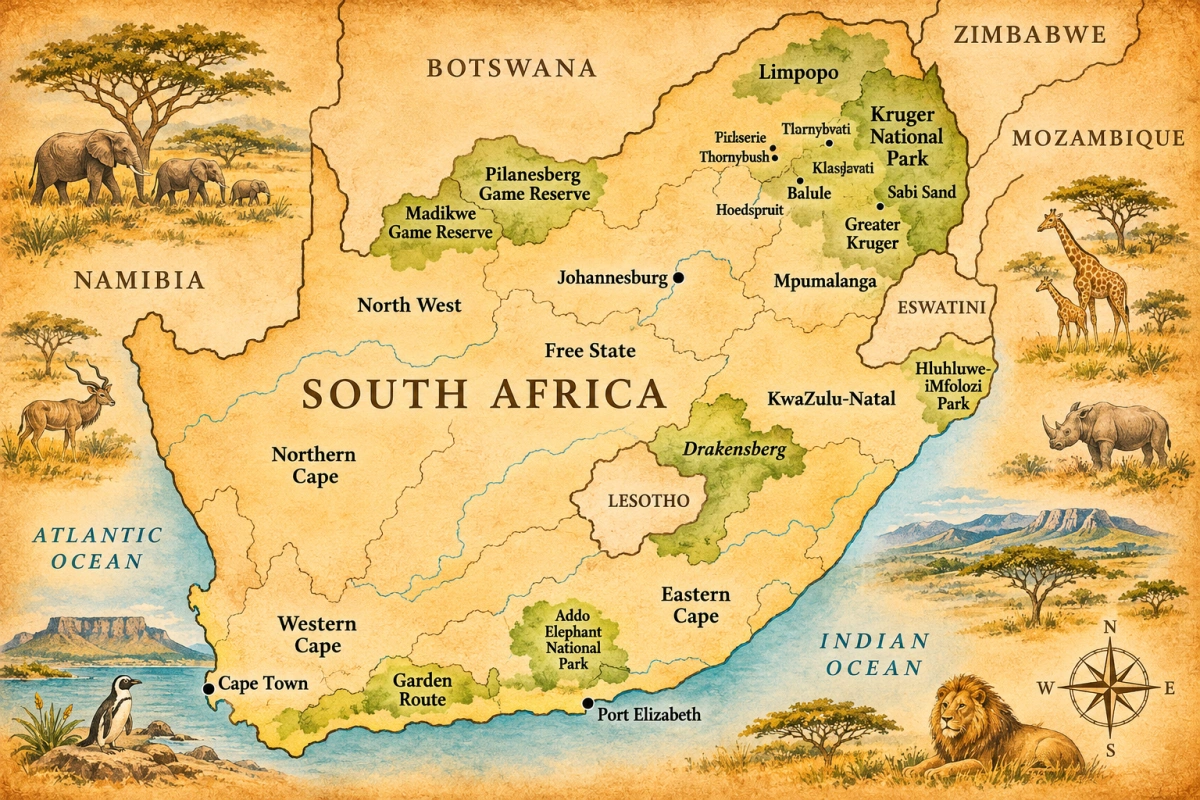
Greater Kruger is served by several regional airports, including Skukuza, Hoedspruit and Kruger Mpumalanga International Airport near Mbombela. Scheduled domestic flights connect these airports with Johannesburg and selected other South African cities, followed by road transfers to individual lodges. Some exclusive safari properties are also served by private airstrips, with charter or scheduled light aircraft services providing convenient access to remote reserves.
Madikwe and Pilanesberg are generally reached by road from Johannesburg, although charter flights may be arranged for selected lodges. The Eastern Cape's safari reserves are conveniently accessed through Gqeberha, with many properties within a relatively short drive of the airport. KwaZulu-Natal's northern reserves are usually reached from Durban, although regional air connections and private transfers may provide alternatives depending on the destination.
Domestic Flights and Transfers
Domestic flights are particularly useful for travellers combining a safari with Cape Town, the Garden Route or other parts of South Africa. Johannesburg offers the widest range of connections to the country's principal safari airports, while selected direct services connect Cape Town with regional destinations around Greater Kruger. Flight schedules vary by route and season, making it important to coordinate arrival times with lodge transfers and scheduled game drives.
Road transfers are practical in many of South Africa's safari regions, particularly around Hoedspruit, Skukuza, the Eastern Cape and Pilanesberg. However, travel times can vary considerably depending on the location of the lodge, reserve entrance gates and the condition of internal tracks. Light aircraft transfers are available to certain remote properties and can significantly reduce travelling time, although luggage restrictions are often stricter than those on domestic airline services. With careful planning, South Africa's excellent transport connections make it possible to combine two or more safari regions or add a coastal stay without unnecessarily lengthy journeys.
```