Journal | Destinations
Botswana - Safari Guide
Discover Botswana's remarkable safaris, from the Okavango Delta and Chobe to the vast Kalahari, with extraordinary wildlife, exceptional lodges and beautiful wilderness landscapes.
Published:
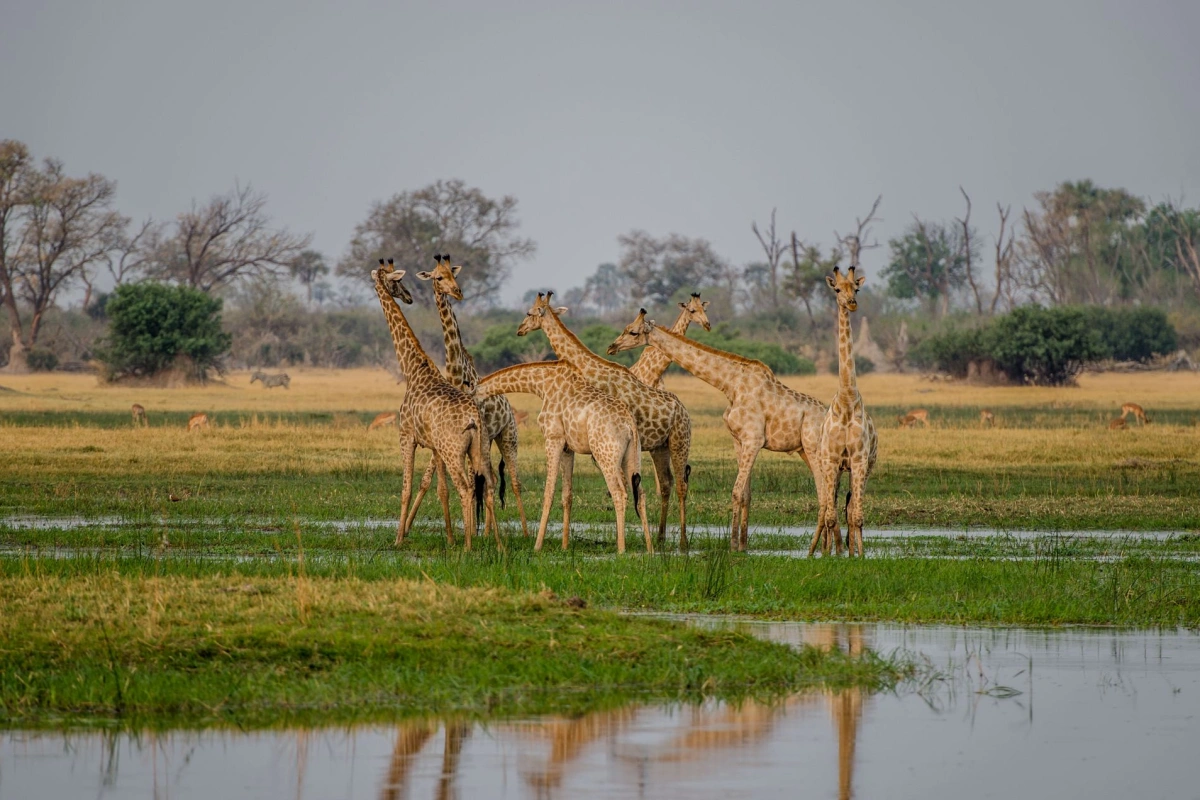
Botswana is one of Africa's most remarkable safari destinations, a country of vast wilderness, extraordinary wildlife and landscapes that change dramatically with the seasons. The waterways of the Okavango Delta, the elephant-rich plains of Chobe and the remote reaches of the Kalahari offer wonderfully different experiences, often within the same journey. With much of its finest wildlife country protected and visitor numbers carefully managed, Botswana has earned a reputation for exceptional safaris in some of the continent's most beautiful natural surroundings.
Water plays an extraordinary role in shaping Botswana's wilderness. Each year, floodwaters arriving from the Angolan highlands spread across the Okavango Delta, transforming dry channels and grasslands into a vast network of lagoons, islands and waterways. Elsewhere, the Chobe River attracts enormous gatherings of elephants and buffalo, while the seasonal pans and open grasslands of the Kalahari support wildlife adapted to a very different environment. These contrasts make Botswana particularly rewarding for travellers who want to experience more than one side of Africa.
The Experience
Safari experiences here are wonderfully varied. Traditional game drives reveal lions, leopards, wild dogs and impressive herds of antelope, while boat safaris and mokoro excursions offer a quieter perspective on the wildlife around the water. Some of the country's most memorable encounters happen far from the busiest reserves, in private concessions where walking safaris, night drives and small, intimate camps create a particularly personal experience of the wilderness.
Botswana is also known for its outstanding safari camps and lodges, many occupying remote locations accessible only by light aircraft or boat. Accommodation ranges from comfortable tented camps to some of Africa's most exclusive wilderness retreats, with guiding and wildlife experiences at the heart of the stay. Whether exploring the Delta's waterways, watching elephants along the Chobe River or discovering the immense open spaces of the Kalahari, Botswana offers a safari experience of exceptional variety and character.
The Okavango Delta
The Okavango Delta is one of Africa's great natural wonders, an immense inland wetland where the Okavango River spreads across the sands of the Kalahari rather than reaching the sea. Its extraordinary landscape of winding channels, permanent lagoons, wooded islands and open floodplains supports an astonishing variety of wildlife. The scenery changes throughout the year as seasonal floodwaters arrive, creating an ever-changing wilderness that is quite unlike anywhere else on the continent.
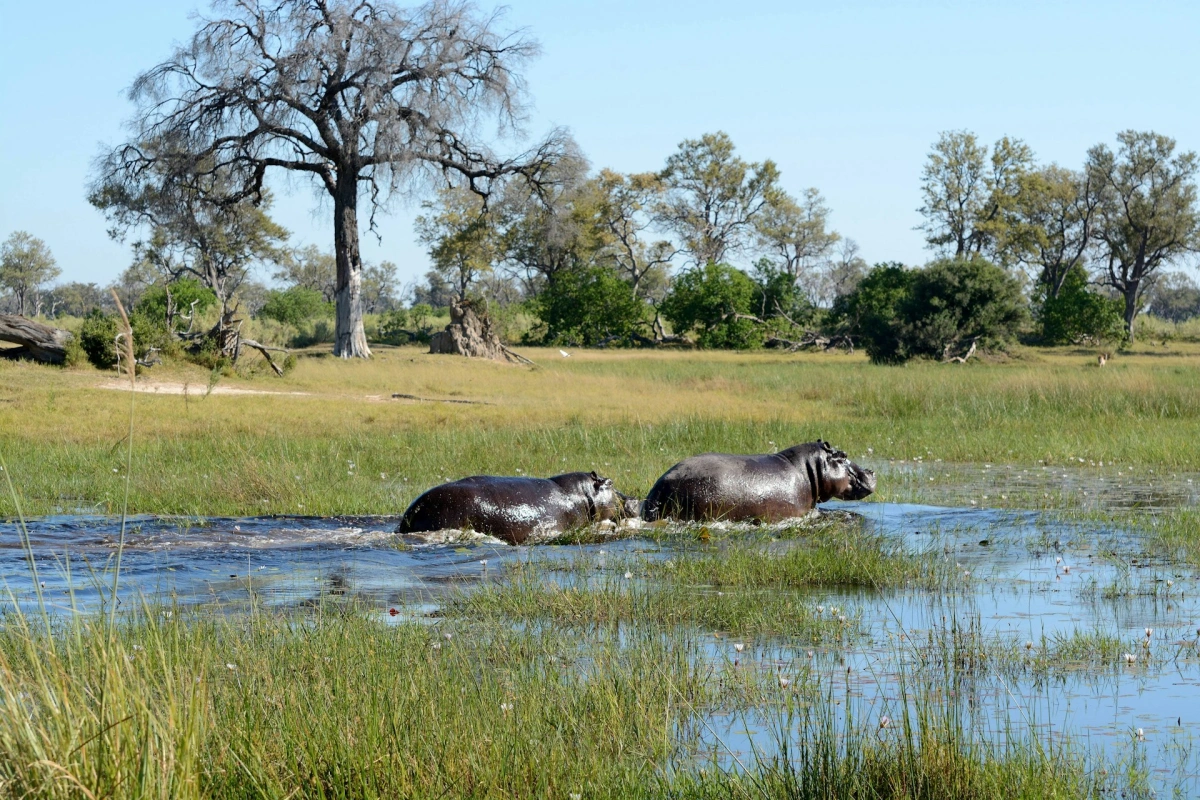
Wildlife viewing in the Delta can be exceptional, with elephants, buffalo, giraffes, zebras and numerous antelope species sharing the landscape with lions, leopards, spotted hyenas and African wild dogs. Hippos inhabit the deeper waterways, crocodiles bask along the banks and an extraordinary variety of birdlife makes the region especially rewarding for nature enthusiasts. Sightings vary between the wetter and drier areas, with some concessions particularly well known for their predators and others for their spectacular concentrations of plains game.
One of the Delta's greatest attractions is the variety of ways to explore it. Game drives across the islands and floodplains can be combined with guided walking safaris, motorboat excursions and traditional mokoro journeys through the quieter channels. Gliding through the reeds in a mokoro, accompanied by the sounds of birds and the occasional splash of a hippo in the distance, offers an entirely different perspective on the wilderness. Water activities depend on seasonal conditions and the location of each camp.
Accommodation is another highlight, with intimate tented camps and luxurious safari lodges occupying remote islands and private concessions. Many are reached by light aircraft from Maun, followed by a short game drive or boat transfer. The combination of remarkable wildlife, beautiful scenery and small, secluded camps makes the Okavango Delta one of Botswana's most memorable safari experiences.
Places to Stay
Moremi Game Reserve
Occupying the eastern reaches of the Okavango Delta, Moremi Game Reserve is one of Botswana's finest wildlife destinations, combining permanent waterways, seasonal floodplains, mopane woodland and open grasslands within a remarkably varied landscape. The reserve includes Chief's Island and the celebrated Khwai River area, where the meeting of water and dry land creates particularly rewarding conditions for wildlife viewing. Its diversity of habitats makes Moremi an excellent choice for a traditional game-drive safari.
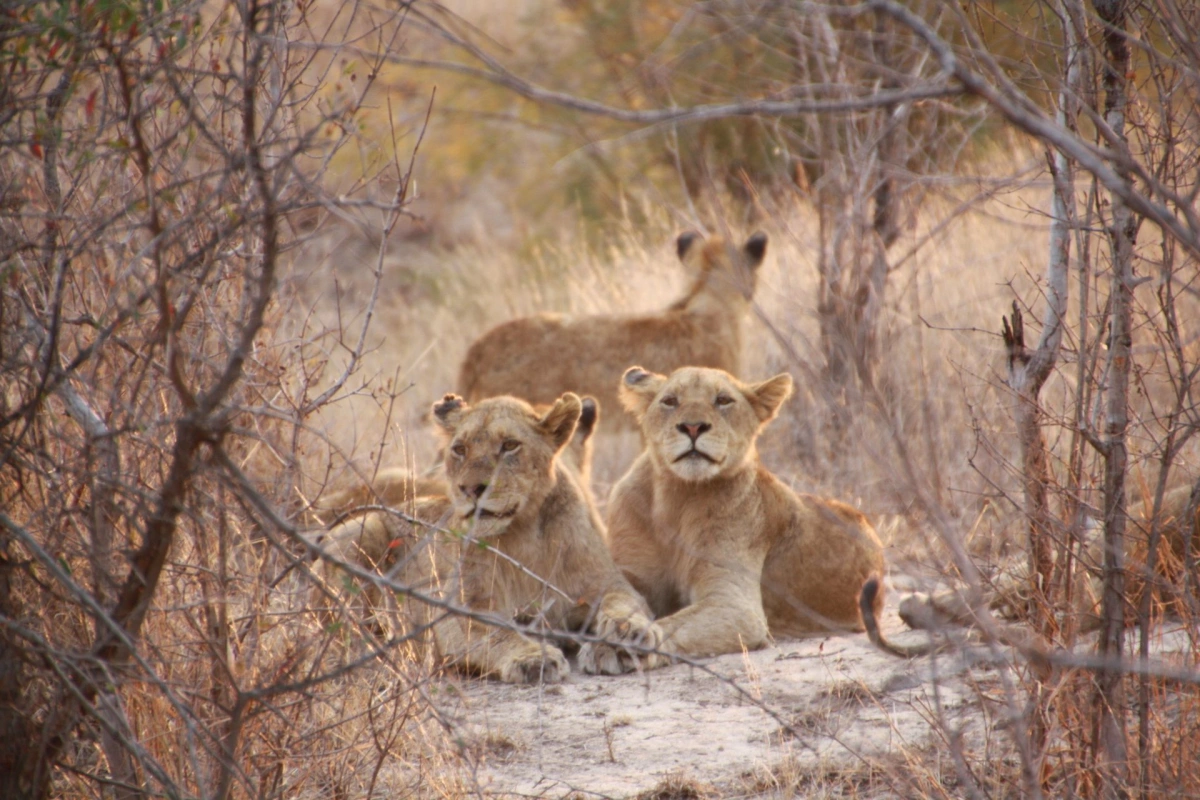
Moremi is especially renowned for its predators, with lions, leopards, cheetahs and African wild dogs all found within the reserve. Large herds of elephants and buffalo move through the woodlands and floodplains, while giraffes, zebras, wildebeest and numerous antelope species are frequently encountered. The waterways attract hippos and crocodiles, and birdlife is exceptional, particularly around the lagoons and river channels. Wildlife sightings can be impressive throughout the year, although their distribution changes with the seasons and availability of water.
Game drives are the principal way to explore Moremi, following sandy tracks through woodland, across open plains and alongside the waterways. The Khwai River is particularly rewarding, with elephants regularly crossing the water and predators often encountered along its banks. The nearby Khwai community concession, outside the reserve itself, offers additional opportunities for night drives and guided walking safaris, activities that are generally not permitted within Moremi Game Reserve.
Accommodation ranges from traditional tented safari camps to luxurious lodges overlooking lagoons and floodplains. Many properties are accessible by light aircraft from Maun, while certain areas can also be reached by road in a suitable four-wheel-drive vehicle. Moremi combines beautifully with other parts of the Okavango Delta, offering a particularly appealing balance between outstanding game viewing and the quieter waterways of northern Botswana.
Places to Stay
Chobe National Park
Chobe National Park is one of Botswana's most celebrated wildlife destinations, renowned for its enormous elephant population, remarkable predator sightings and diverse landscapes. Stretching across the country's north, the park encompasses the beautiful Chobe River, extensive woodlands, seasonal wetlands and the remote wilderness of Savute. Each area offers a different safari experience, making Chobe one of southern Africa's most rewarding national parks.
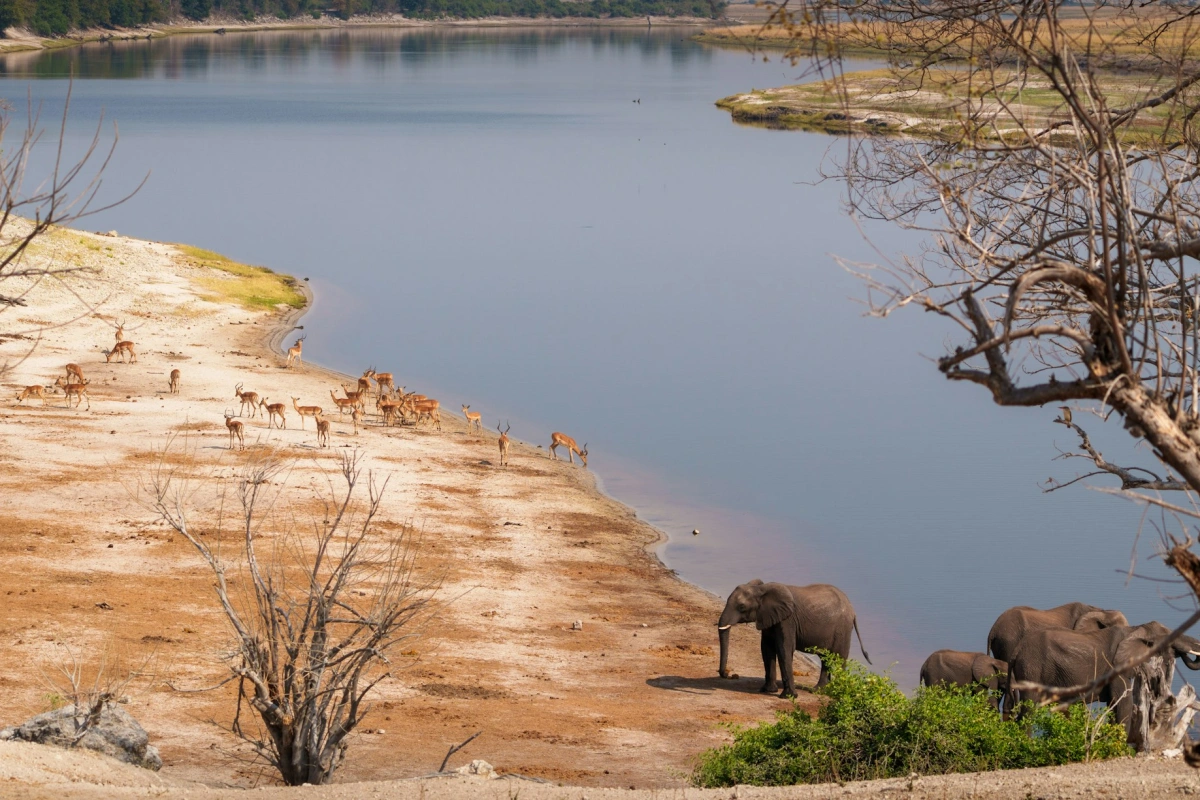
The Chobe Riverfront, close to Kasane and the Namibian border, is particularly famous for its extraordinary concentrations of elephants. During the dry season, large family groups gather along the riverbanks to drink, bathe and cross between feeding areas, often accompanied by herds of buffalo, giraffes, zebras and antelope. Lions and leopards patrol the surrounding woodland, while hippos and Nile crocodiles inhabit the river. African fish eagles, kingfishers, herons and colourful bee-eaters add to the remarkable variety of wildlife.
One of Chobe's greatest attractions is the opportunity to explore the river by boat, observing elephants swimming between islands, buffalo grazing along the banks and crocodiles resting in the sunshine. Traditional game drives provide a different perspective, particularly in the early morning when predators are more active. The combination of river cruises and land-based safaris makes the Chobe Riverfront especially appealing for visitors seeking varied wildlife encounters.
Further west, Savute offers a dramatically different landscape of vast open plains, ancient marshlands and rugged rocky outcrops. This remote region is famous for the unpredictable Savute Channel, which has alternated between flowing and drying up over the decades, transforming the surrounding wilderness. The Savute Marsh and neighbouring grasslands are particularly renowned for their powerful lion prides, whose remarkable hunting behaviour has included occasional attacks on elephants.
Leopards, spotted hyenas and African wild dogs are also found around Savute, alongside elephants, giraffes, zebras and numerous antelope species. During the wetter months, migrating zebra herds move through the grasslands, attracting predators and creating spectacular wildlife encounters. Game drives explore the marsh edges, woodland tracks and open plains, while the ancient San rock paintings at the Gubatsa Hills offer a fascinating glimpse into the region's human history.
Kasane provides the principal gateway to the Chobe Riverfront, with regional flight connections and a selection of riverside lodges. Its proximity to Victoria Falls makes it particularly convenient for combining a safari with one of Africa's great natural wonders. Savute, meanwhile, is generally reached by light aircraft or a challenging four-wheel-drive journey, with remote tented camps and luxury safari lodges offering a more secluded wilderness experience. Together, these contrasting regions make Chobe an exceptional destination, combining unforgettable river safaris with some of Botswana's most exciting predator encounters.
Linyanti
The Linyanti region is one of Botswana's most beautiful and secluded safari destinations, a remarkable wilderness of river channels, seasonal floodplains, lagoons and extensive woodland along the country's northern frontier. Bordering the western reaches of Chobe National Park, the region includes the Linyanti Wildlife Reserve and neighbouring private concessions around the Linyanti and Kwando river systems. Its combination of permanent water, open grasslands and remote wilderness creates exceptional conditions for wildlife viewing, particularly during the dry season when animals gather around the remaining water sources.
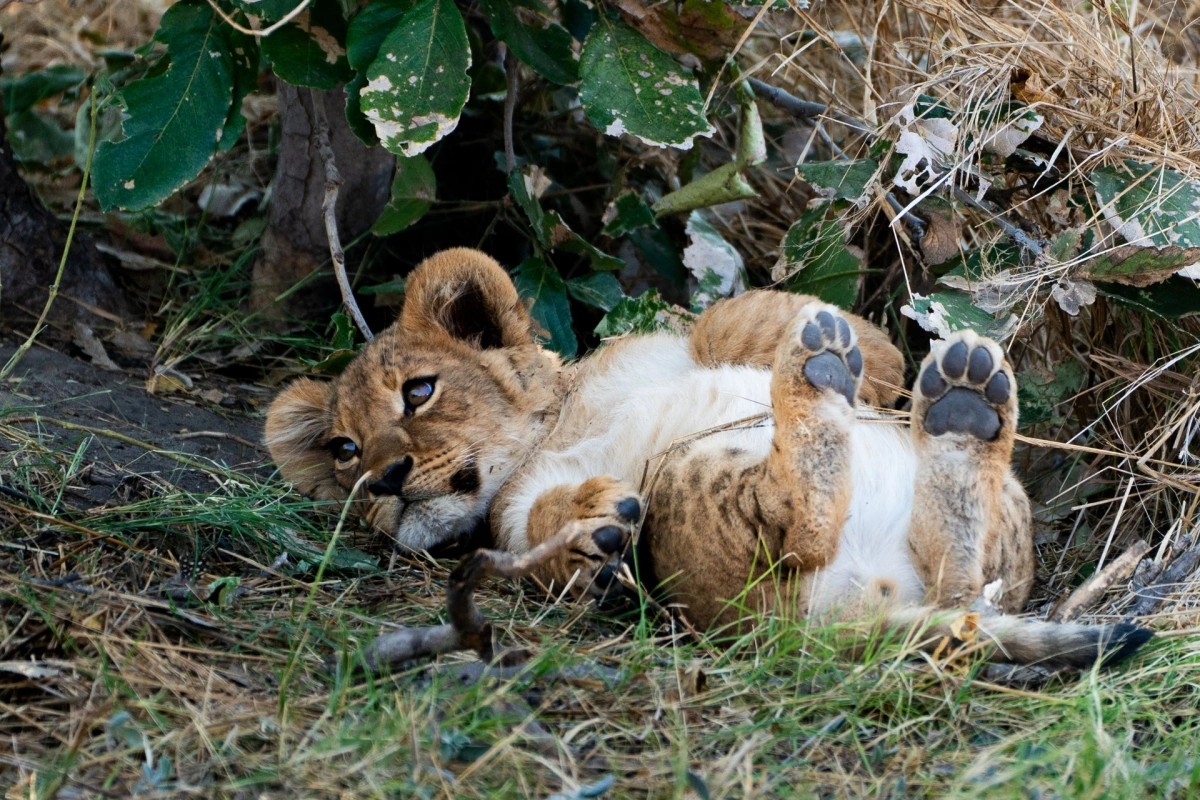
Elephants are a major attraction, with impressive herds moving through the woodlands and gathering along the rivers as the surrounding countryside becomes drier. Buffalo, giraffes, zebras and numerous antelope species are also regularly encountered, while the region is particularly celebrated for its predators. Lions, leopards, spotted hyenas and African wild dogs inhabit the area, with some concessions enjoying an excellent reputation for wild dog sightings. Hippos and crocodiles occupy the waterways, while the varied habitats support an abundance of birdlife throughout the year.
Safari activities are wonderfully varied, with traditional game drives exploring the woodland tracks, floodplains and riverbanks. Many private concessions also offer night drives and guided walking safaris, providing opportunities to discover wildlife and animal behaviour that might otherwise be missed. Depending on water levels and the location of the camp, boat excursions can reveal elephants drinking along the banks, hippos resting in the channels and an extraordinary variety of waterbirds. The relative isolation of the region adds considerably to its appeal, with wildlife encounters often taking place far from other vehicles.
Accommodation in Linyanti is predominantly found in small, exclusive safari camps and luxury lodges within private concessions, many accessible only by light aircraft. Flights generally connect through Maun or Kasane, making the region relatively straightforward to combine with the Okavango Delta, Moremi or Chobe. For travellers seeking outstanding wildlife, experienced guiding and a quieter atmosphere away from the more frequently visited reserves, Linyanti offers one of Botswana's most rewarding safari experiences.
Places to Stay
Central Kalahari Game Reserve
The Central Kalahari Game Reserve reveals an entirely different side of Botswana, a vast wilderness of golden grasslands, fossil river valleys, ancient salt pans and seemingly endless horizons. Covering more than 52,000 square kilometres, it is one of Africa's largest protected areas and among its most remote safari destinations. Despite its name, the Kalahari is not a traditional sand desert, but a remarkable landscape of dry savannah, scattered woodland and open plains that undergoes a dramatic transformation with the arrival of the summer rains.
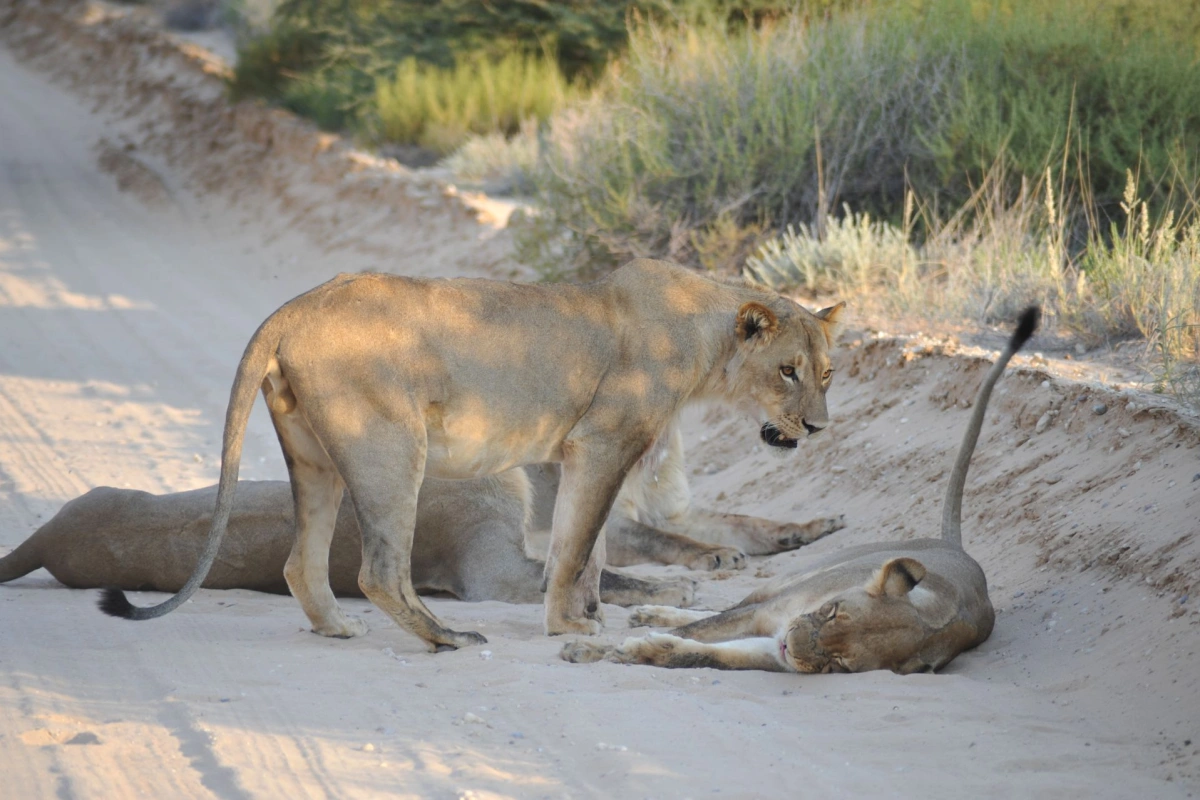
Wildlife here is particularly fascinating because of the animals' adaptation to the harsh, dry environment. The reserve is famous for its magnificent black-maned Kalahari lions, alongside cheetahs, leopards, brown hyenas and smaller predators such as bat-eared foxes and jackals. Gemsbok, springbok, red hartebeest and wildebeest roam the open grasslands, while giraffes and other antelope species occupy the more wooded areas. Following good summer rains, the valleys attract concentrations of grazing animals, creating excellent opportunities to observe predators hunting across the plains.
Deception Valley is among the reserve's best-known wildlife areas, its ancient riverbed surrounded by open grasslands and low, wooded ridges. Game drives explore this extraordinary landscape, where sightings can stretch across enormous distances and the sense of isolation is particularly striking. Unlike the waterways of northern Botswana, the Central Kalahari is entirely about exploring by vehicle, with the changing light, expansive scenery and extraordinary night skies adding considerably to the experience. The green season, generally between December and April, can be especially rewarding for wildlife and photography.
Accommodation is limited, with a small number of exclusive safari lodges and remote wilderness camps offering access to this remarkable region. Light aircraft transfers are available to certain camps, while independent road access requires a properly equipped four-wheel-drive vehicle and careful preparation. The Central Kalahari is particularly appealing to experienced safari travellers looking for something beyond the traditional big-game reserves, although its dramatic scenery and unusual wildlife make it a fascinating addition to a wider Botswana journey.
When to Visit
Botswana offers rewarding safari experiences throughout the year, although the changing seasons have a considerable influence on wildlife movements, scenery and the activities available. The country has two broad seasons: a dry season generally running from May to October and a warmer, wetter season between November and April. Each brings its own attractions, and the best time to travel depends largely on the regions being visited and the type of safari experience preferred.
The Dry Season
May to October is traditionally considered the prime safari season in northern Botswana, particularly around Chobe, Moremi, Savuti and Linyanti. As seasonal waterholes disappear and vegetation becomes thinner, wildlife increasingly concentrates around permanent rivers, lagoons and other reliable water sources. Elephant and buffalo gatherings can be spectacular, while predators benefit from the greater concentration of prey. Game viewing is often particularly rewarding between July and October, although this is also the busiest and generally most expensive period for safari accommodation.
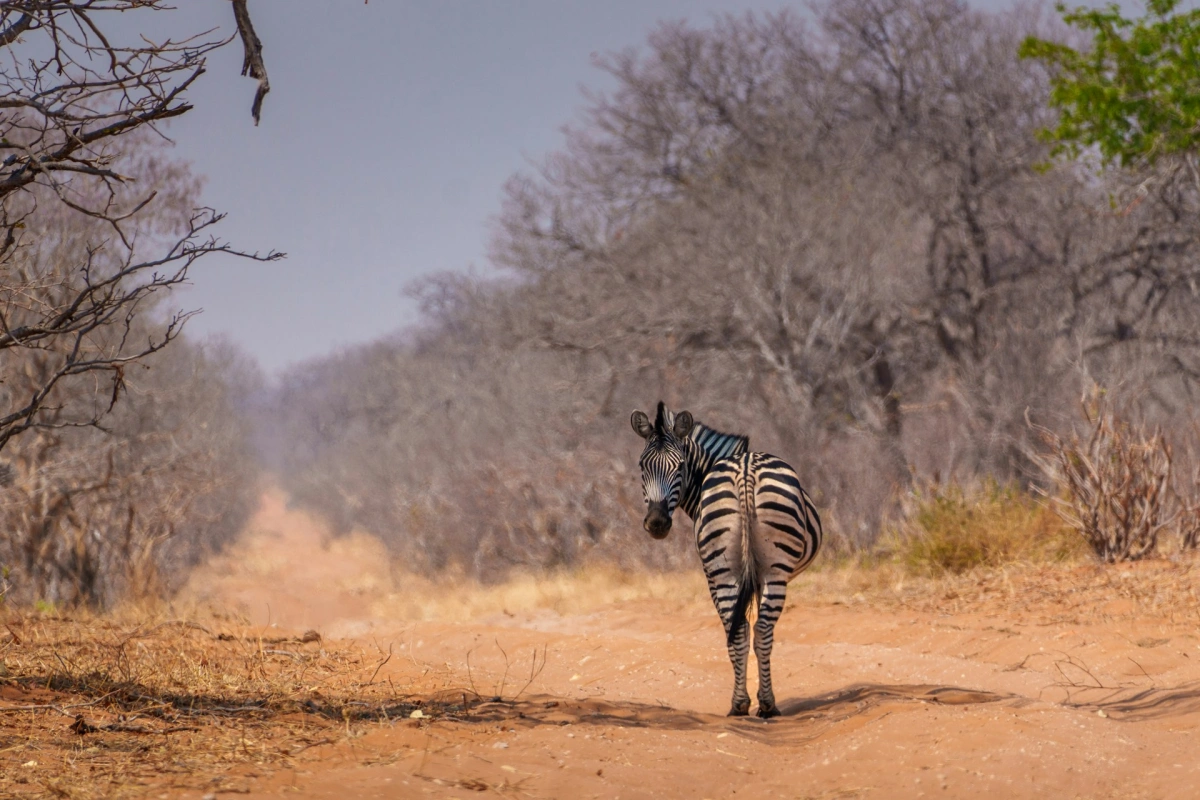
June, July and August bring pleasantly warm days, clear skies and very little rainfall, but early mornings and evenings can be surprisingly cold, especially during open-vehicle game drives. September and October are considerably hotter, with temperatures sometimes exceeding 35°C, although wildlife viewing around permanent water can be exceptional. Travellers who prefer milder conditions may find May, June or August particularly appealing.
The Green Season
November to April brings the summer rains, transforming much of Botswana into a landscape of fresh grasslands, flowering vegetation and seasonal wetlands. Wildlife becomes more widely dispersed as water is readily available, making some animals harder to locate, but the scenery is beautiful and the abundance of young animals can attract considerable predator activity. Birdlife is particularly impressive, with migratory species arriving and many resident birds displaying their breeding plumage.
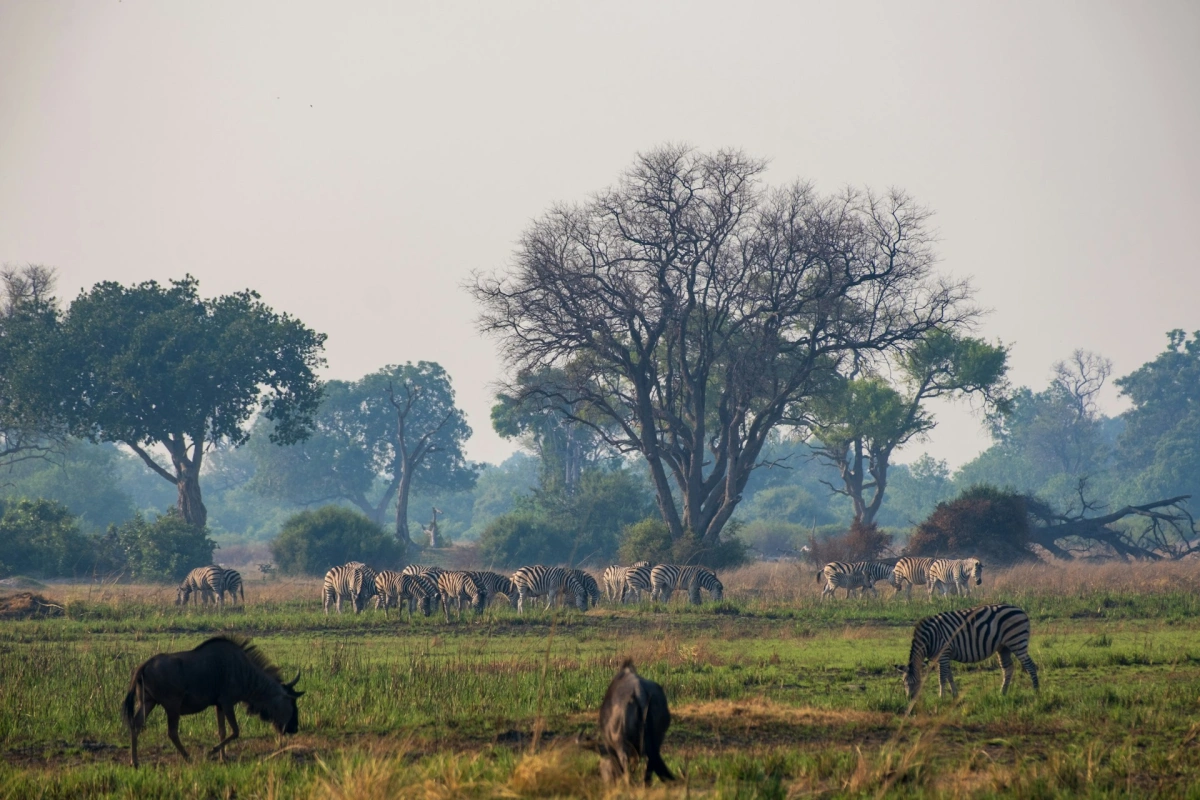
The Central Kalahari is especially rewarding during the green season, when rainfall attracts grazing herds to the open valleys and plains. Deception Valley and the surrounding grasslands can provide excellent opportunities to observe springbok, gemsbok, wildebeest and the predators that follow them. Many camps also offer more attractive rates during this period, although heavy showers, high temperatures and occasional flooding can affect road access and safari activities.
The Okavango Floods
One of Botswana's most unusual seasonal features is the annual flooding of the Okavango Delta, which follows a different pattern from the country's local rainfall. Water originating in the Angolan highlands takes several months to travel south, generally reaching the upper Delta between March and May before spreading into the central and southern floodplains. Water levels across much of the Delta typically peak between June and August, during Botswana's dry winter months.
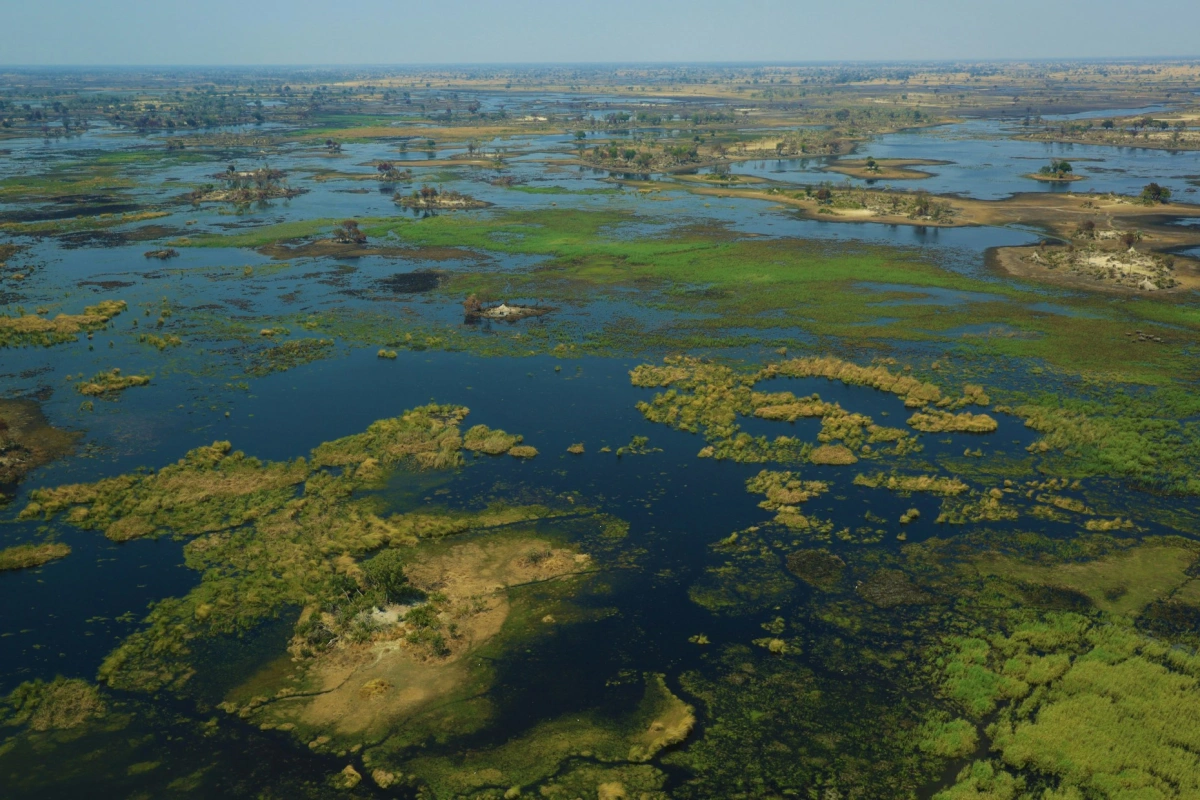
This creates the extraordinary contrast of a flooded wetland surrounded by increasingly dry countryside. As the waters expand, wildlife gathers on islands and higher ground, while boat safaris and mokoro excursions become possible in areas that may be inaccessible by water at other times. The timing and extent of the floods vary each year, making the choice of camp particularly important for travellers hoping to combine traditional game drives with water-based activities.
Wildlife and Safari Experiences
Botswana is home to some of Africa's most impressive wildlife populations, with an extraordinary variety of animals inhabiting its wetlands, woodlands, grasslands and desert landscapes. Elephants are particularly abundant, especially in northern Botswana, where large herds move between Chobe, Linyanti and the Okavango Delta. Buffalo, giraffes, zebras, wildebeest and numerous antelope species are widespread, while hippos and crocodiles occupy the country's permanent rivers and lagoons. The diversity of habitats makes it possible to encounter very different wildlife communities during a single safari.
Predators are another major attraction, with lions and leopards found across many of Botswana's principal safari regions. African wild dogs are a particular highlight of the Okavango Delta, Moremi and Linyanti, although sightings of these endangered animals are never guaranteed. Cheetahs favour more open landscapes, including parts of the Kalahari and Savuti, while spotted hyenas are widespread. Botswana also supports rarer species such as brown hyenas, servals and aardwolves, although these elusive animals are considerably more difficult to encounter.
Game Drives
Traditional game drives remain the foundation of most Botswana safaris, with experienced guides exploring the wilderness in specially adapted four-wheel-drive vehicles. Early mornings and late afternoons are generally the most productive times, when temperatures are cooler and wildlife is more active. Guides follow animal tracks, listen for alarm calls and use their knowledge of the landscape to locate wildlife, often spending considerable time observing individual animals and their behaviour rather than simply moving between sightings.
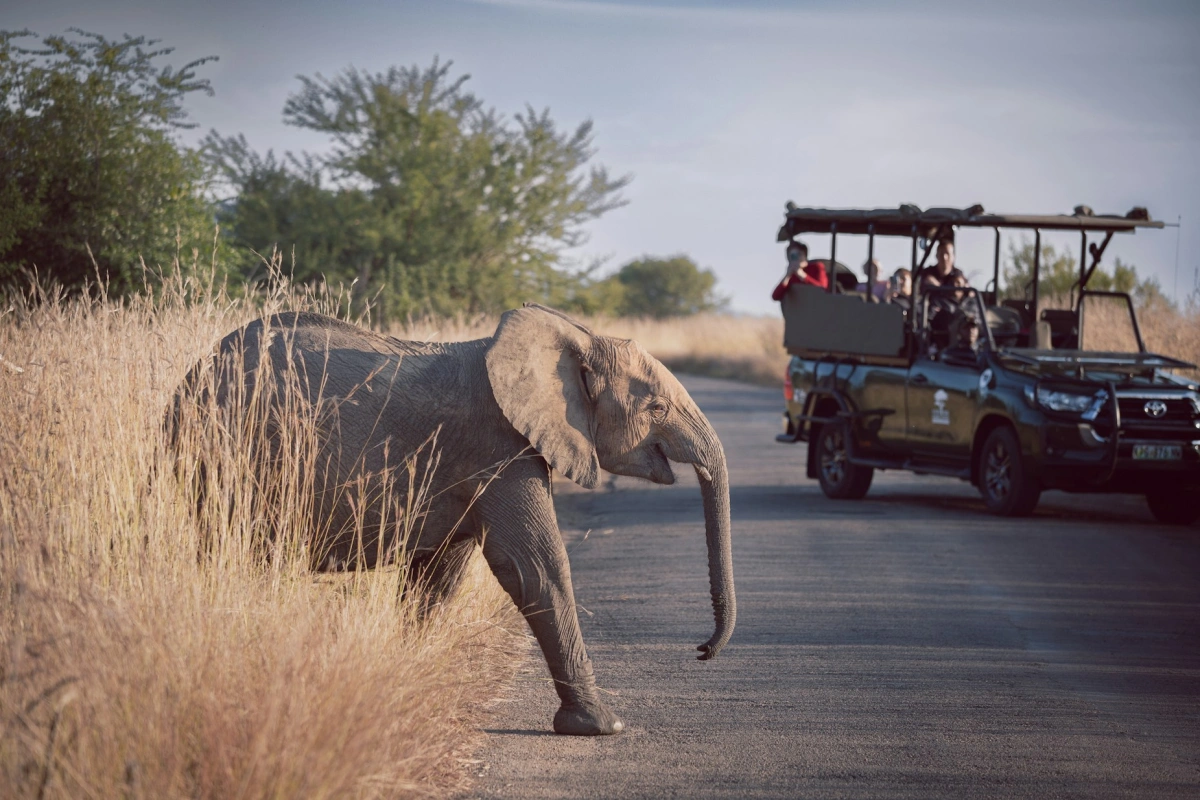
In private concessions, night drives offer an opportunity to encounter nocturnal animals rarely seen during daylight hours. Leopards, genets, civets, porcupines and smaller predators may emerge after sunset, while lions and hyenas often become more active. These activities are not available in every reserve, making the location of a safari camp an important consideration when planning a journey.
Walking Safaris
Exploring the wilderness on foot offers an entirely different perspective on Botswana's wildlife and landscapes. Accompanied by qualified guides, walking safaris concentrate on animal tracks, plants, insects and the subtle signs of activity that are easily overlooked from a vehicle. Larger animals may also be encountered, although the emphasis is on understanding the environment rather than approaching wildlife closely. Walking safaris are particularly associated with private concessions in the Okavango Delta and Linyanti, where activities are carefully managed according to local conditions.
Water Safaris
Water-based safaris are among Botswana's most distinctive experiences, particularly in the Okavango Delta and along the Chobe River. Traditional mokoro excursions take place in narrow dugout-style canoes, now often made from fibreglass, which are guided quietly through shallow channels by experienced polers. These peaceful journeys reveal waterbirds, aquatic plants and the smaller details of the Delta's remarkable ecosystem, with occasional sightings of larger wildlife along the banks.
Motorboat safaris allow visitors to explore deeper channels and larger waterways, where hippos, crocodiles and elephants are frequently encountered. Along the Chobe River, boat excursions can provide exceptional views of elephants bathing, buffalo grazing and wildlife gathering at the water's edge. The experience is particularly memorable in the late afternoon, when the softer light illuminates the riverbanks and animals become increasingly active before sunset.
Birdlife
Botswana is also an outstanding destination for birdwatching, with more than 500 species recorded across the country. The Okavango Delta and Chobe River support an impressive variety of waterbirds, including African fish eagles, jacanas, kingfishers, herons and storks. Pel's fishing owl is among the Delta's most sought-after species, while the Kalahari's open landscapes provide opportunities to observe secretarybirds, kori bustards and numerous birds of prey.
Birdwatching is rewarding throughout the year, although the summer months between November and April are particularly productive as migratory species arrive and many resident birds begin breeding. Even travellers with little previous interest in birdlife often find themselves captivated by the extraordinary colours, calls and behaviour of Botswana's birds, which add another fascinating dimension to the safari experience.
Getting There
Botswana is well connected to southern Africa's main international airports, although most visitors travelling from Europe or North America will need a connecting flight. Johannesburg's O.R. Tambo International Airport is the principal regional gateway, with onward services to Maun, Kasane and Gaborone. Cape Town also offers useful connections, while Victoria Falls in Zimbabwe and Livingstone in Zambia provide alternative arrival points for travellers combining Botswana with neighbouring destinations.
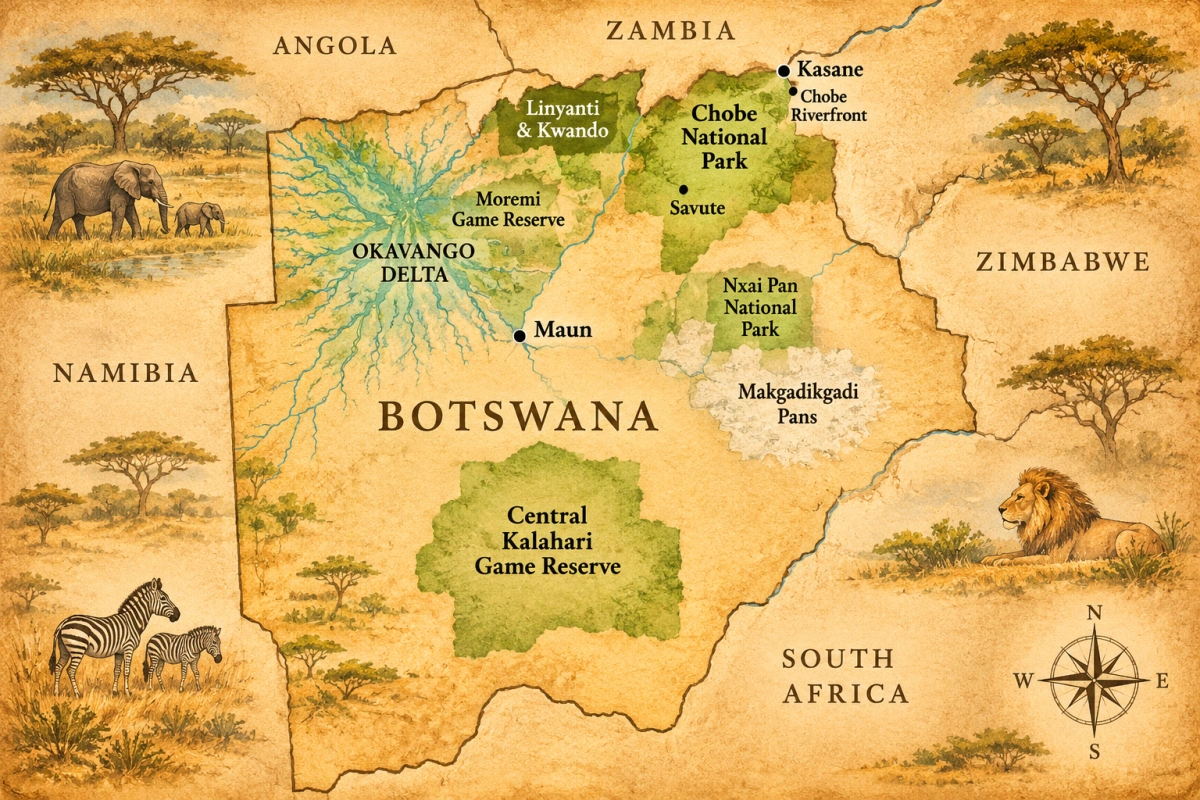
Maun International Airport is the main gateway to the Okavango Delta, Moremi Game Reserve and many of the private concessions in northern Botswana. Scheduled regional flights arrive from Johannesburg and other southern African destinations, with onward journeys usually arranged by light aircraft to individual safari airstrips. These flights are an experience in themselves, offering spectacular aerial views of the Delta's waterways, islands and floodplains. Depending on the camp, the final journey may involve a short game drive or boat transfer.
Kasane International Airport is the most convenient arrival point for Chobe National Park, particularly the popular Chobe Riverfront, where many lodges are only a short road transfer from the airport. Kasane also serves as a useful departure point for light aircraft connections to Savuti, Linyanti and other remote safari areas. Its proximity to Victoria Falls makes it particularly attractive for travellers planning a multi-destination journey, with cross-border road transfers available between Kasane, Victoria Falls and Livingstone.
Domestic Flights and Transfers
Light aircraft are an essential part of travelling through Botswana's more remote safari regions. Small scheduled charter services connect Maun and Kasane with a network of private and shared airstrips serving the Okavango Delta, Moremi, Savuti and Linyanti. Flights are often operated using small aircraft carrying only a handful of passengers, with routes and intermediate stops determined by the camps being served. Soft-sided luggage is generally required, and baggage allowances are usually considerably lower than those permitted on international flights.
Road transfers are practical around Kasane and certain parts of Chobe, but journeys into Moremi, Savuti and the Central Kalahari can involve long distances over sandy tracks. For most visitors staying in remote safari camps, flying is the more comfortable and efficient option. Combining two or three regions is relatively straightforward when transfers are arranged as part of the safari, allowing travellers to experience Botswana's contrasting landscapes without spending unnecessary time travelling between them.